






What's Happening?
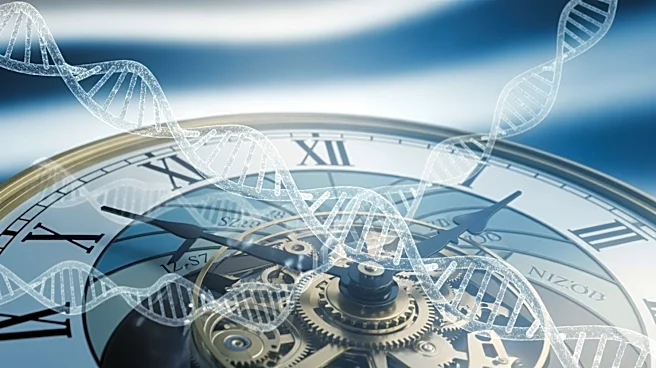
Epigenetic clocks, which estimate biological age based on DNA, are gaining popularity as tools for understanding aging. These clocks measure chemical changes to DNA, known as epigenetic marks, to provide insights into how a person's body is aging. Despite
their potential, these clocks are not yet reliable for individual health decisions. The variability in results, influenced by factors such as lifestyle and environmental exposures, makes them unsuitable for personal health guidance. Currently, there are no FDA-approved direct-to-consumer biological age tests, and the science behind these tests is still evolving.
Why It's Important?
The growing interest in biological age tests reflects a broader societal focus on healthspan and longevity. However, the unreliability of these tests at the individual level poses risks, particularly if used by insurance companies to set premiums. This could exacerbate health disparities, as marginalized communities often show signs of accelerated aging due to factors beyond their control. While epigenetic clocks are valuable for research, their current limitations highlight the need for caution in their application to personal health decisions. The ongoing development of these tools could eventually lead to more accurate assessments, but for now, they remain primarily research instruments.
What's Next?
As research continues, improvements in the technology and methodology of epigenetic clocks are expected. Scientists are exploring the potential of these tools to test new therapies aimed at slowing aging processes. Future advancements may lead to more reliable individual assessments, but until then, these tests should be used cautiously. The scientific community is likely to focus on refining these tools for population-level studies, which could eventually inform personal health strategies. Stakeholders, including researchers and policymakers, will need to address ethical concerns and ensure equitable access to emerging health technologies.
Beyond the Headlines
The use of epigenetic clocks raises ethical questions about privacy and the potential misuse of genetic information. As these tools become more sophisticated, there will be a need for regulatory frameworks to protect individuals from discrimination based on biological age estimates. Additionally, the cultural implications of quantifying aging could influence societal perceptions of health and longevity. The integration of these technologies into healthcare systems will require careful consideration of their impact on existing health disparities and the development of guidelines to ensure their ethical use.