




What's Happening?
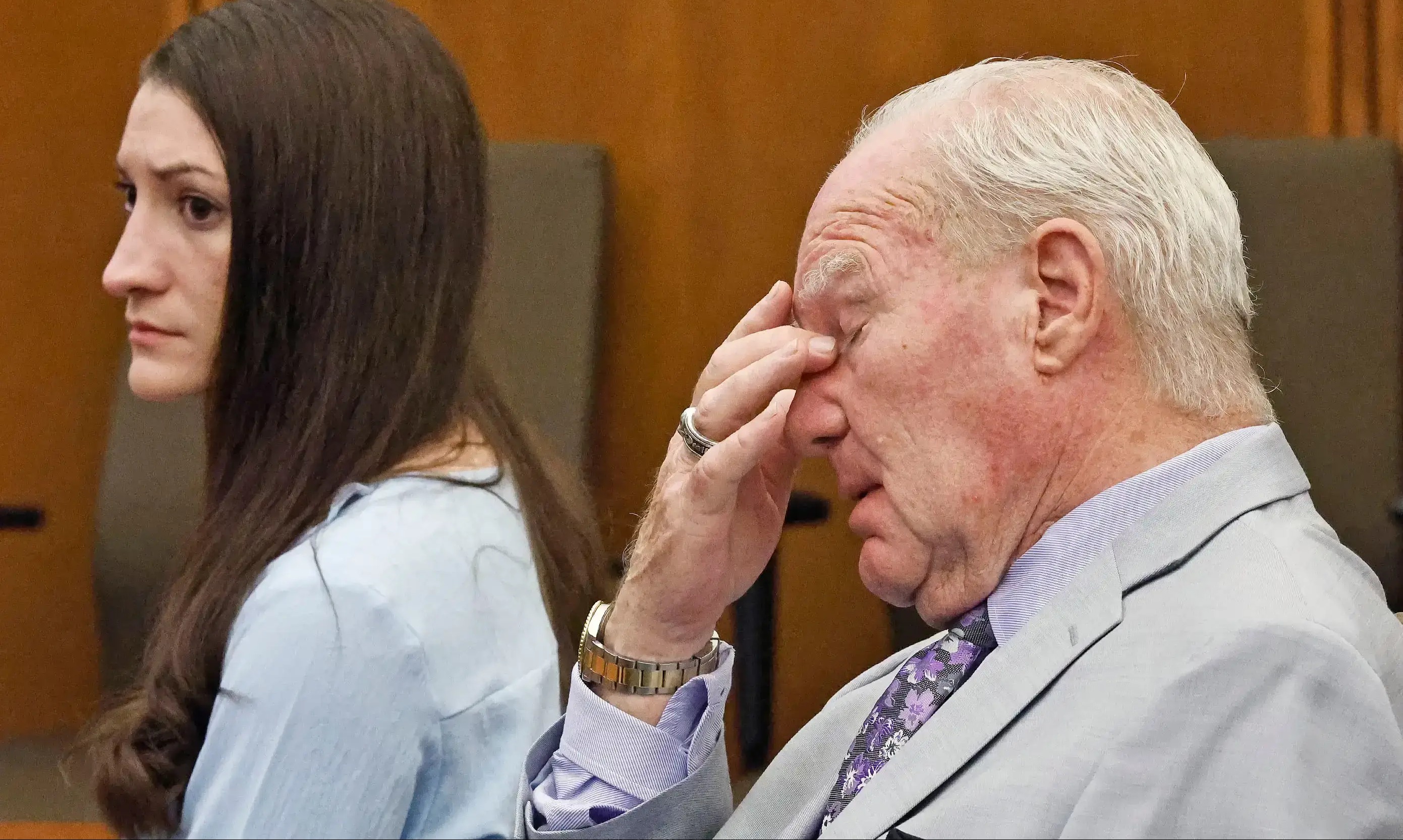
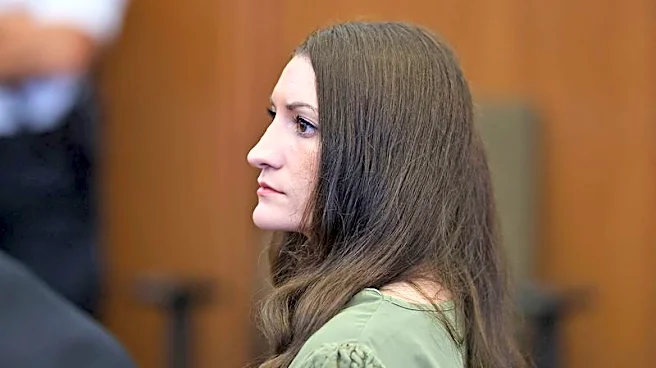
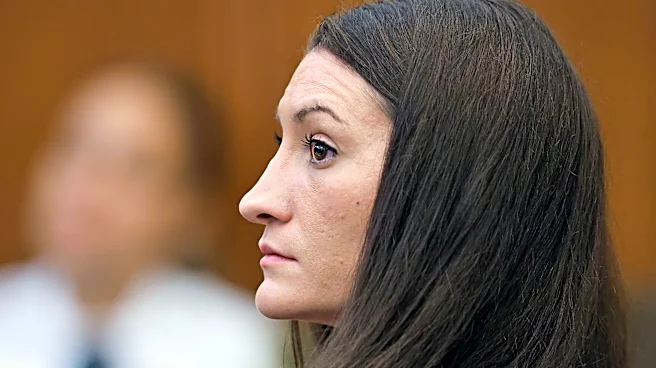
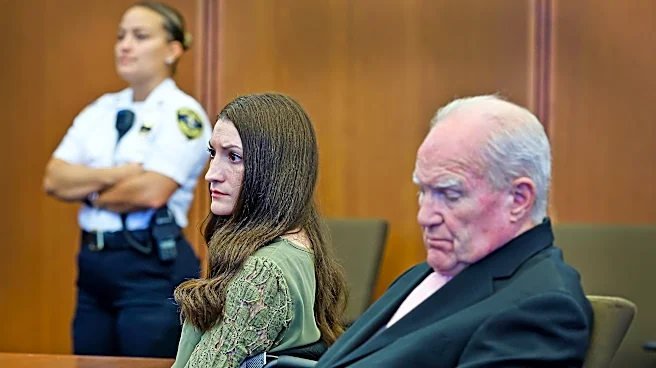
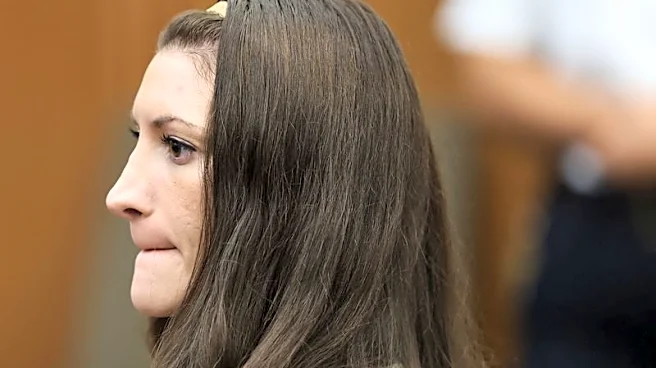
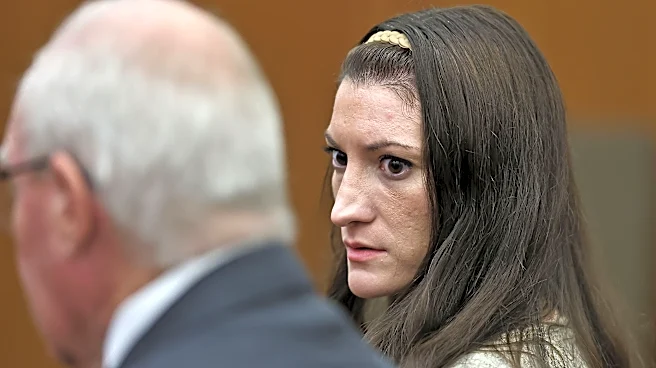
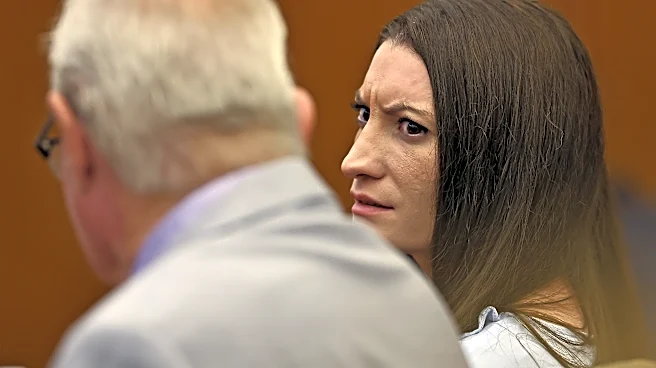
A mistrial has been formally declared in the Lindsay Clancy case. This declaration occurred despite efforts by the defense attorney to prevent it, including attempting to remove one juror and secure a verdict using an alternate. Following the mistrial,
the Judge thanked the jury for their service and subsequently discharged them. Lindsay Clancy will remain in custody, and a retrial is anticipated, though a specific date has not yet been scheduled. Clancy's attorney indicated to reporters after the verdict that he intends to meet with the juror believed to have prevented a 'not guilty' verdict.
Why It's Important?
The declaration of a mistrial in a high-profile case like Lindsay Clancy's carries significant implications for the judicial process and public perception. It means that the initial trial did not result in a definitive legal outcome, leaving the central questions of guilt or innocence unresolved. For the defendant, it prolongs the legal uncertainty and the period of incarceration. For the victims and their families, it delays closure and extends the emotional toll of the legal proceedings. The defense's attempt to influence the jury composition and the attorney's subsequent desire to speak with a specific juror highlight the complexities and potential frustrations inherent in jury trials. A retrial will require substantial resources from the court system, prosecution, and defense, and will likely reignite public interest and debate surrounding the case.
What's Next?
The immediate next step is for Lindsay Clancy to remain in custody as the legal teams prepare for a retrial. The prosecution will need to decide whether to proceed with a new trial, and if so, a new jury selection process will commence. The defense will likely reassess its strategy based on the insights gained from the first trial, potentially adjusting arguments or evidence presentation. The attorney's stated intention to meet with the juror who reportedly prevented a 'not guilty' verdict could be a move to understand the jury's deliberations better, though the ethical implications of such a meeting might be scrutinized. The scheduling of the retrial will depend on court availability and the readiness of both legal teams, and it is expected to be a lengthy process.
Beyond the Headlines
The mistrial in the Lindsay Clancy case underscores the inherent challenges and human element within the U.S. justice system. The inability of a jury to reach a unanimous decision, even after extensive deliberation, highlights the subjective nature of interpreting evidence and applying legal standards. This situation can lead to public frustration with the legal process, particularly in cases with significant emotional weight. Furthermore, the defense attorney's focus on a single juror's influence raises questions about jury dynamics, individual biases, and the potential for a single holdout to sway an entire verdict. This case could prompt broader discussions about jury selection processes, juror education, and the mechanisms in place to ensure fair and impartial trials, especially when public sentiment is deeply divided.