





What's Happening?
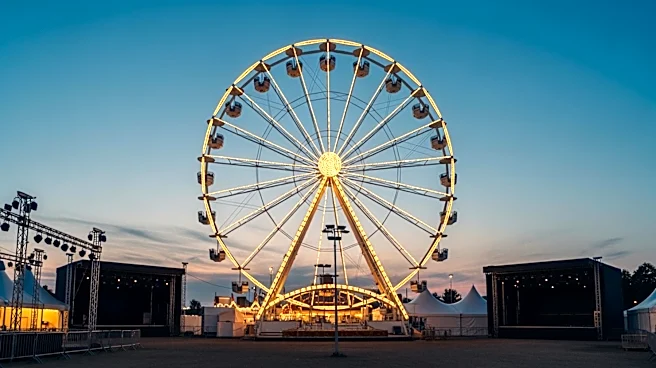
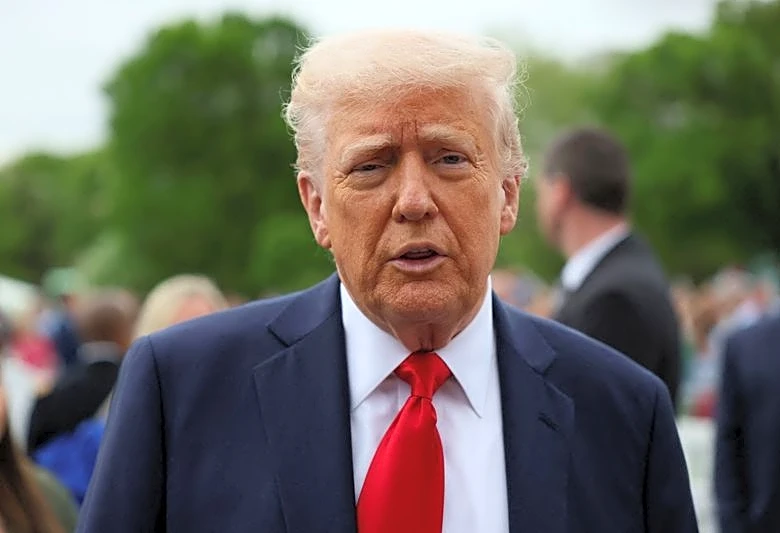
President Donald Trump has announced plans to feature a giant Ferris wheel at the Great American State Fair, following a series of cancellations by artists who were initially scheduled to perform. The fair, which is set to run from June 25 to July 10,
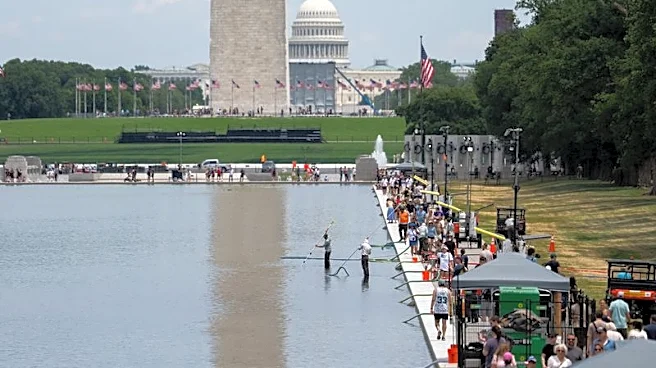
is part of the celebrations for America's 250th anniversary. Trump has decided to headline the event himself, replacing the artists who withdrew. The Ferris wheel is being constructed on the National Mall, situated between the U.S. Capitol and the Washington Monument. The official Instagram page for Freedom 250 shared images of the Ferris wheel, inviting people to RSVP for free tickets to the event. Despite the grandeur of the fair, some individuals have expressed skepticism about the necessity of such an event, questioning the use of taxpayer dollars for what they perceive as a carnival.
Why It's Important?
The Great American State Fair, initially intended as a nonpartisan celebration, has become closely associated with President Trump and his administration's agenda. The inclusion of a Ferris wheel and Trump's decision to headline the event highlight the fair's shift towards a more politically charged atmosphere. This development could influence public perception of the event, potentially affecting attendance and participation. The fair's alignment with Trump's agenda may also impact its reception among different political groups, with some viewing it as a celebration of American culture and others as a political rally. The event's success or failure could have implications for Trump's public image and influence, particularly as it coincides with the lead-up to the 2026 elections.
What's Next?
As the fair approaches, it remains to be seen how the public will respond to the event and its association with President Trump. The fair's organizers may need to address concerns about the use of public funds and the event's political nature to ensure broad participation. Additionally, the fair's success could influence future events and celebrations associated with national anniversaries, potentially setting a precedent for how such events are organized and perceived. Stakeholders, including political leaders and civil society groups, may react to the fair's outcomes, shaping future discussions about the role of politics in public celebrations.