
What's Happening?
A significant portion of Americans are attributing their current financial difficulties to President Donald Trump, as inflation rates have surged to their highest levels in nearly two years. According
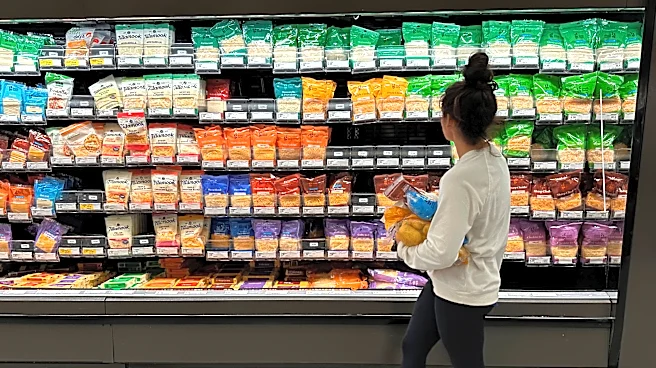
to the Bureau of Labor Statistics, the cost of groceries increased by 0.7% in April, marking the largest one-month rise since early 2022. This increase is part of a broader trend, with energy prices jumping 3.8% in April and fuel oil prices rising by 54% over the past year. The ongoing conflict with Iran, which began on February 28, has exacerbated these issues by disrupting oil flows through the Strait of Hormuz, a critical passage for global oil supply. This disruption has led to increased prices for gasoline and other downstream products, further straining American consumers.
Why It's Important?
The rising cost of living is a critical issue for American voters, impacting consumer confidence and economic stability. The University of Michigan's Consumer Sentiment Index has recorded some of its lowest readings in nearly 50 years, reflecting widespread dissatisfaction. The economic pressures are particularly challenging for the Republican Party, as they attempt to manage public discontent with President Trump's policies. The administration's focus on preventing Iran from acquiring nuclear weapons has been criticized for overshadowing domestic economic concerns. This situation presents a political vulnerability for President Trump, as 77% of Americans, including a significant portion of Republicans, hold him responsible for the increased cost of living.
What's Next?
As the economic situation continues to evolve, the administration may face increasing pressure to address domestic financial concerns more directly. Political leaders and economic experts are likely to call for a shift in focus towards policies that alleviate the financial burden on American households. The administration's current strategy emphasizes tax cuts, deregulation, and energy abundance, but these measures may need to be reassessed in light of the ongoing economic challenges. The outcome of these policy decisions could significantly influence the political landscape and voter sentiment in upcoming elections.