






What's Happening?
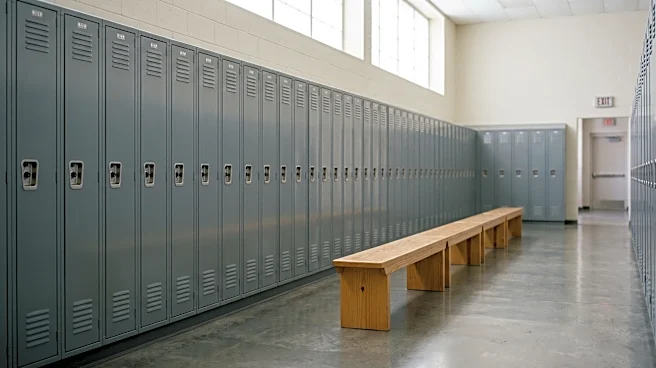
Jeffrey Pribble, the head football coach and physical education teacher at Tracy High School in San Joaquin County, California, was arrested after students found his cellphone recording them in an on-campus locker room. The incident occurred on September
10, when student athletes discovered the phone still in recording mode. They stopped the recording, deleted the video, and handed the device to a teacher. School resource officers and detectives initiated an investigation, which determined the phone belonged to the 48-year-old coach. Following a report from a parent of one of the students, Tracy Police Department officers responded to the school on September 11 and arrested Pribble. The Tracy Unified School District has since placed Jeffrey Pribble on leave pending the ongoing investigation. Tracy Police Chief Sekou Millington emphasized the importance of children feeling safe at school and commended the students and officers for their swift actions.
Why It's Important?
This incident highlights critical issues concerning student privacy, safety, and the conduct of school staff within educational institutions. The alleged actions of a trusted figure like a coach and teacher can severely erode trust between students, parents, and the school administration. It underscores the vulnerability of students in spaces where they expect privacy, such as locker rooms, and raises questions about the adequacy of existing safeguards and surveillance protocols in schools. For the Tracy Unified School District, this event necessitates a thorough review of its policies regarding staff conduct, digital device usage on campus, and reporting mechanisms for student concerns. The broader implications extend to discussions about digital ethics, the potential for misuse of technology, and the psychological impact such breaches of trust can have on young individuals. This event could prompt other school districts nationwide to re-evaluate their own security measures and staff training to prevent similar occurrences.
What's Next?
The investigation into Jeffrey Pribble's alleged actions is ongoing, with authorities urging anyone with information to contact Detective Brian Cockey or Detective Joseph Bourassa of the Tracy Police Department. The Tracy Unified School District will continue its internal review while Pribble remains on leave. Depending on the outcome of the police investigation, Pribble could face criminal charges, and the school district will likely determine his employment status. This incident may lead to increased scrutiny of school staff, particularly those in positions of authority over minors, and could result in new policies or enhanced training programs for educators on appropriate conduct and digital privacy. Furthermore, parents and community members will likely demand greater transparency and accountability from the school district to ensure student safety and rebuild trust. The legal proceedings and any subsequent policy changes will be closely watched by the community.
Beyond the Headlines
This event delves into the deeper societal implications of privacy in the digital age, particularly for minors in institutional settings. The alleged act of recording students in a private space touches upon ethical boundaries and the potential for technology to be used for illicit purposes. It also brings to light the critical role students themselves play in identifying and reporting inappropriate behavior, demonstrating their agency in safeguarding their own privacy. The incident could trigger broader discussions about the digital literacy of both students and staff, emphasizing the need for comprehensive education on online safety, privacy rights, and responsible technology use. Culturally, it reinforces the importance of fostering an environment where students feel empowered to speak up when they encounter suspicious or inappropriate situations, highlighting the collective responsibility of the school community in protecting its most vulnerable members. The long-term impact could include a re-evaluation of how schools balance security with individual privacy, especially in an era where personal devices are ubiquitous.