






What's Happening?
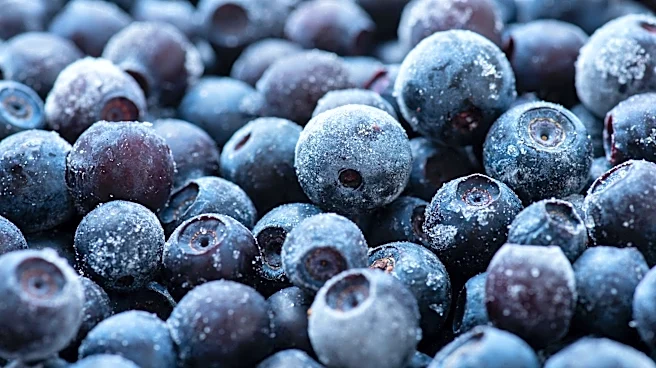
Publix has issued a recall for frozen blueberries after they were linked to multiple cases of E. coli infections. The recall involves 10-ounce bags of GreenWise Organic IQF Blueberries, which were distributed by the Chilean company Frutas y Hortalizas
del Sur S.A. The affected products were sold in Publix stores across several states, including Alabama, Kentucky, Florida, Georgia, North Carolina, South Carolina, Tennessee, and Virginia. The recall was announced on July 3, following reports of 12 confirmed E. coli cases between May 11 and June 5. Customers are advised to check their freezers for the affected blueberries, which have a lot code of 60401 and a best-by date of February 9, 2028. Symptoms of E. coli infection can include severe stomach cramps, diarrhea, and vomiting. Publix has urged customers to return or dispose of the recalled products if purchased on or before July 3.
Why It's Important?
The recall of blueberries due to E. coli contamination is significant as it highlights ongoing challenges in food safety and the potential health risks associated with contaminated produce. E. coli infections can lead to serious health complications, particularly in vulnerable populations such as young children, the elderly, and those with weakened immune systems. The recall affects a wide geographic area, indicating the potential for a large number of consumers to be impacted. This incident underscores the importance of stringent quality control measures in the food supply chain to prevent outbreaks and protect public health. It also serves as a reminder for consumers to be vigilant about food recalls and to take necessary precautions to avoid consuming contaminated products.
What's Next?
In response to the recall, Publix is likely to work closely with health authorities and the supplier to investigate the source of the contamination and prevent future occurrences. Consumers who have purchased the affected blueberries are encouraged to return them to the store for a refund or dispose of them safely. Health officials may continue to monitor for additional cases of E. coli linked to the recalled product and provide updates as necessary. This situation may prompt further scrutiny of food safety practices and regulations, potentially leading to more rigorous standards and inspections in the future.