

What's Happening?
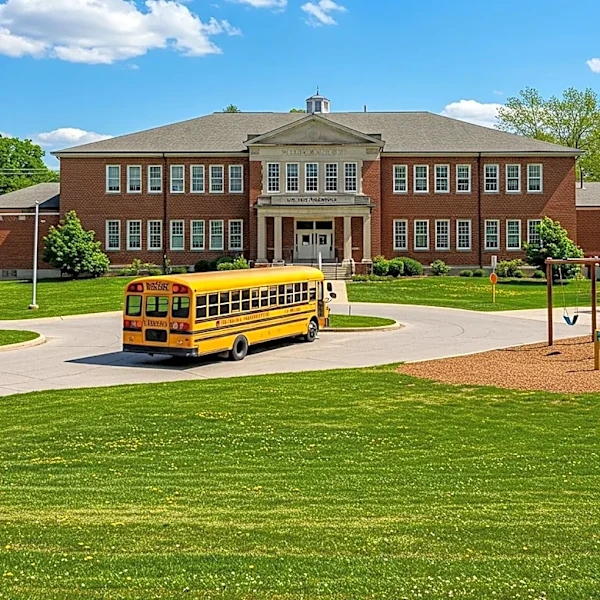
Students in the Classical Literature program at Pius X Catholic High School in Lincoln, Nebraska, participated in a Socratic seminar focused on Christopher Nolan’s adaptation of 'The Odyssey' and Homer's original epic. This session, detailed in 'WE ARE
PIUS: A glimpse at a Socratic seminar on ‘Odyssey’ (Part 2),' was led by classical literature teacher Mark Hansen. The discussion delved into various themes including heroism, human nature, war, hospitality, and the process of adaptation. Students critically debated Nolan’s creative choices, the role of the gods, the complexities of Odysseus as a hero, and the contemporary relevance of the 3,000-year-old story. The seminar aimed to foster critical thinking, respectful disagreement, and intellectual curiosity among participants.
Why It's Important?
This Socratic seminar at Pius X High School is important as it exemplifies a pedagogical approach that encourages deep analytical thinking and intellectual engagement beyond rote memorization. By discussing both a classic text and its modern adaptation, students are challenged to compare, contrast, and critically evaluate different interpretations of enduring themes. This method cultivates essential skills such as argumentation, active listening, and respectful debate, which are crucial for academic success and civic participation. Furthermore, exploring ancient texts like 'The Odyssey' allows students to connect with foundational narratives of Western civilization, understanding how historical stories continue to resonate with contemporary issues. This type of educational experience enriches the learning environment and prepares students for higher-level academic discourse.
What's Next?
The Socratic seminar on 'The Odyssey' is part of an ongoing curriculum within the Classical Literature program at Pius X High School. Students will likely continue to engage with other classical texts and their modern interpretations, applying the critical thinking and discussion skills honed in this seminar. Educators may use the insights gained from such discussions to refine teaching methods and curriculum design, ensuring that students remain engaged with challenging material. The school may also feature similar academic highlights in future 'WE ARE PIUS' podcasts or publications, showcasing the intellectual life of its students. For the students involved, this experience will contribute to their broader understanding of literature, history, and critical analysis, preparing them for future academic pursuits.
Beyond the Headlines
The seminar's focus on both Homer's epic and a modern adaptation highlights a broader educational trend: integrating classical studies with contemporary media to make ancient texts more accessible and relevant to younger generations. This approach acknowledges that stories, regardless of their origin, continue to evolve and find new forms of expression. It also implicitly addresses the challenge of media literacy, encouraging students to critically analyze how narratives are constructed and reinterpreted across different platforms. Ethically, the discussion of Odysseus's complex heroism invites students to grapple with moral ambiguities and the multifaceted nature of human character, fostering empathy and nuanced understanding. This educational model underscores the timeless value of humanities in developing well-rounded, thoughtful individuals capable of engaging with complex ideas.