


What's Happening?
The Group of Seven (G7) nations, which include the United States, Canada, Japan, Britain, France, Germany, and Italy, have declared their readiness to implement all necessary measures to stabilize global energy markets. This decision comes in response
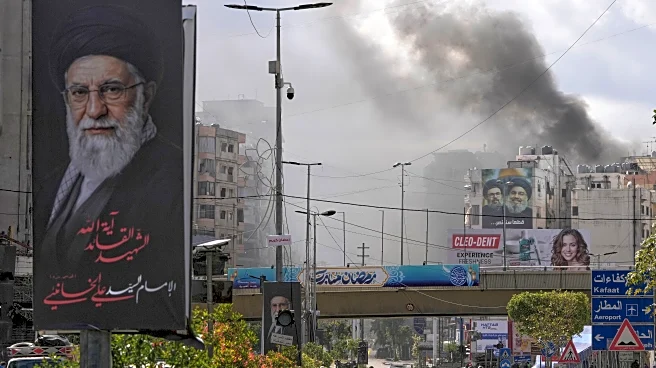
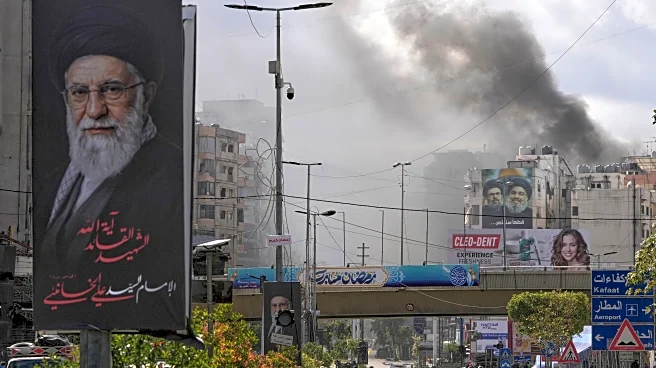
to recent volatility exacerbated by geopolitical tensions, particularly the ongoing conflict in Iran. The G7 finance and energy ministers, along with central bankers, held a teleconference to discuss coordinated actions to address the disruptions in energy markets. The International Energy Agency (IEA) has already agreed to release 400 million barrels of oil from strategic reserves to mitigate the spike in crude prices. The G7 emphasized the importance of maintaining energy supply flows and urged countries to avoid imposing unjustified export restrictions on oil and gas.
Why It's Important?
The G7's commitment to stabilizing energy markets is crucial for maintaining global economic stability. Rising oil prices and supply disruptions can lead to increased inflation, affecting both consumers and businesses. By coordinating efforts to ensure energy supply and price stability, the G7 aims to prevent broader economic repercussions. This move is particularly significant for industries reliant on stable energy prices, such as manufacturing and transportation. Additionally, the G7's actions may influence global energy policies and encourage other nations to adopt similar measures to ensure market stability.
What's Next?
The G7 will continue to monitor the situation closely and may implement further measures if necessary. The group's actions could prompt other international bodies and countries to take similar steps to stabilize energy markets. The ongoing geopolitical tensions will likely remain a focal point, and any resolution could significantly impact energy prices and market stability. Stakeholders, including businesses and governments, will need to stay informed and adaptable to the evolving energy landscape.