




What's Happening?
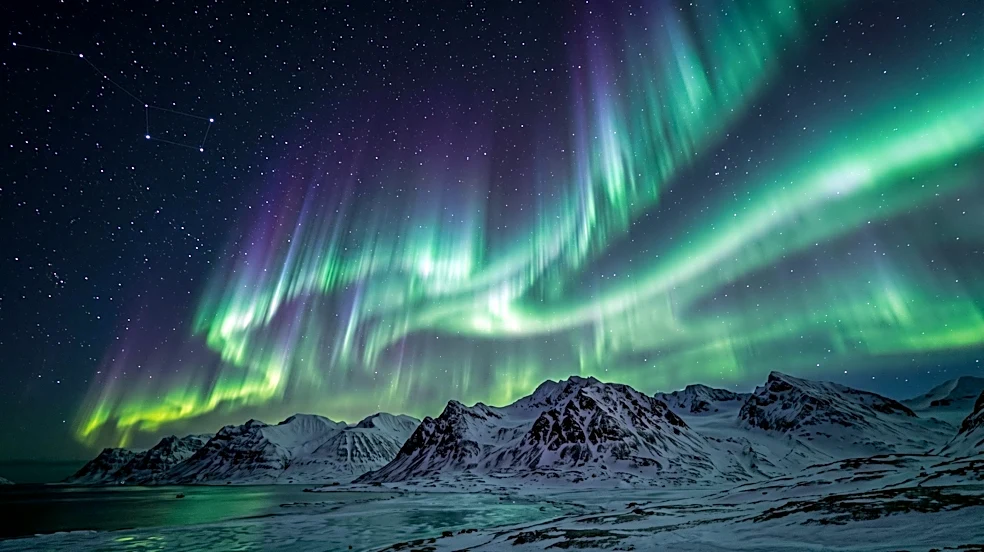
Tromsø, Norway, is highlighted as an optimal destination for travelers seeking to witness the Northern Lights, offering aurora hunting opportunities within a functional city environment. The prime viewing window in Tromsø extends from September to early
April. Situated at approximately 69 degrees north latitude, the city lies within the auroral oval, a region where auroral activity is concentrated around the magnetic poles. This geographical advantage means that significant geomagnetic storms are not always necessary for a sighting; even modest activity on a clear night can result in an overhead display. The city provides a balance of urban amenities, including restaurants, cafes, shops, museums, and a university, alongside easy access to mountains, fjords, and open countryside for daytime activities. Travelers can also opt for guided tours, such as the Aurora Quest Minibus Adventure, which provides thermal gear, photography tips, and navigates to optimal viewing locations, even crossing into Finland if necessary for clearer skies.
Why It's Important?
The identification of Tromsø as a premier Northern Lights destination is significant for the tourism industry, particularly for those specializing in Arctic travel and unique natural phenomena. This information helps travelers plan their trips more effectively, balancing the desire for aurora sightings with other travel interests. The city's combination of urban infrastructure and proximity to prime viewing areas makes it accessible to a broader range of tourists, including those who prefer not to venture into remote wilderness. The availability of guided tours, complete with amenities like thermal suits and professional photography, enhances the visitor experience and increases the likelihood of successful aurora viewing, which can boost local economies through increased tourism revenue. For U.S. travelers, this provides a clear, well-supported option for experiencing the aurora borealis, potentially influencing travel patterns and demand for related services.
What's Next?
Travelers planning to visit Tromsø for the Northern Lights should consider the timing of their trip carefully. While the window runs from September to early April, the polar night, from late November to mid-January, offers extended periods of darkness ideal for aurora viewing but limits daylight for sightseeing. Those interested in hiking or fjord trips alongside aurora nights might find late September, October, or March more suitable. Tour operators like Aurora 7 will continue to offer guided experiences, adapting to weather conditions and geomagnetic activity to maximize viewing chances. Visitors are advised to check Northern Lights forecasts and local weather conditions, and to book tours that offer flexibility in location to account for cloud cover. The ongoing promotion of Tromsø as a key aurora destination is likely to sustain its popularity, leading to continued development of tourism infrastructure and services.
Beyond the Headlines
The phenomenon of the Northern Lights in locations like Tromsø transcends mere tourism; it highlights the intricate interplay between solar activity and Earth's magnetic field. The auroral oval, a key factor in Tromsø's appeal, is a direct manifestation of charged particles from the sun interacting with gases in Earth's upper atmosphere. This natural spectacle offers a profound connection to the cosmos, inspiring awe and fostering an appreciation for atmospheric science. The economic impact on Arctic communities, driven by aurora tourism, also raises questions about sustainable tourism practices and the preservation of natural environments. As more people seek out these experiences, there's a growing need to balance visitor numbers with ecological considerations, ensuring that these pristine regions remain accessible and unspoiled for future generations. The cultural significance of the aurora borealis to indigenous communities in these regions also adds a deeper layer of meaning to the experience.