
What's Happening?
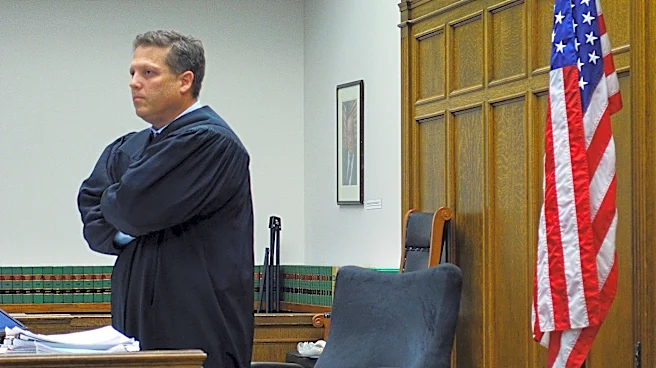
Roger Rogoff, a former U.S. attorney in Washington state, has filed a lawsuit against the Trump administration following his abrupt dismissal. Rogoff was appointed as the U.S. attorney for the Western
District of Washington after being unanimously selected by a panel of judges. However, he was fired via email less than an hour after his swearing-in. The Justice Department maintains that the firing was lawful, asserting that the president has the authority to remove any court-appointed interim U.S. attorney. Rogoff's lawsuit challenges this, arguing that the president's actions violate constitutional protections and the rule of law. He emphasizes the importance of adhering to the constitutional directive for divided government and the involvement of Congress in such appointments.
Why It's Important?
This legal battle underscores the ongoing debate over the extent of presidential powers, particularly in shaping the judiciary. The outcome of this case could have significant implications for the balance of power between the executive branch and the judiciary. If Rogoff's lawsuit succeeds, it may set a precedent that limits the president's ability to unilaterally dismiss court-appointed officials, thereby reinforcing the role of checks and balances in government. This case also highlights the potential impact on the functioning of the U.S. attorney's office, as leadership instability could affect ongoing cases and the morale of office staff.
What's Next?
The lawsuit will proceed through the courts, with potential implications for future presidential actions regarding judicial appointments. The case may attract attention from legal scholars and political analysts, as it touches on fundamental constitutional issues. Depending on the outcome, there could be calls for legislative or judicial clarification on the limits of presidential authority in such matters. Stakeholders, including legal professionals and civil rights organizations, may weigh in on the broader implications for judicial independence and the rule of law.