
What's Happening?
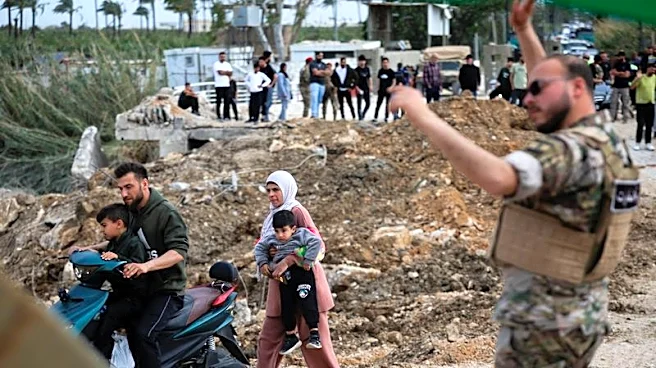
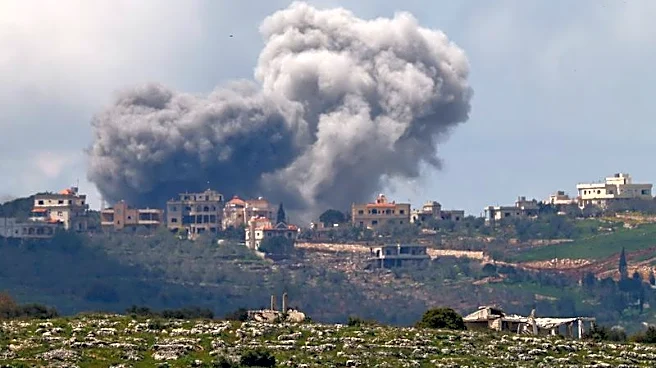
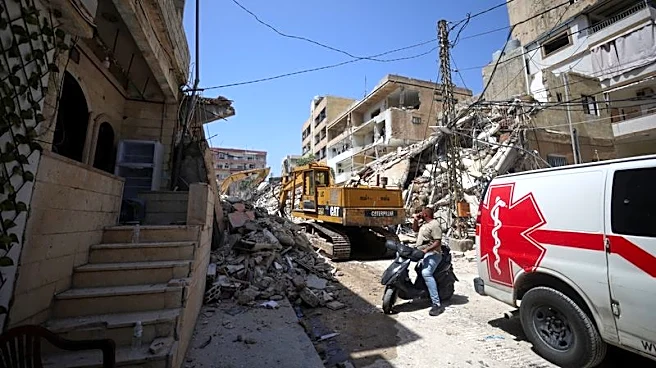
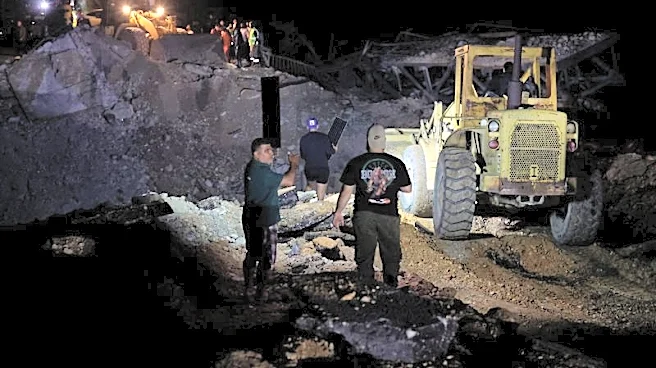
In Lebanon, a recent ceasefire has not significantly eased the displacement and economic strain faced by many residents. Families in Beirut, particularly from the southern suburbs associated with Hezbollah,
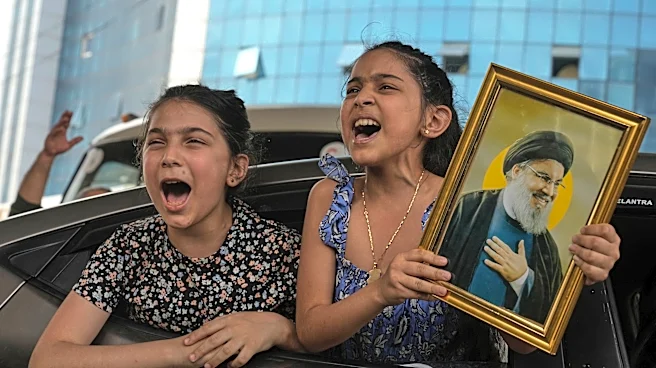
have been forced to evacuate due to warnings from the Israeli Defense Forces (IDF). Despite the ceasefire, many remain displaced, and tensions are high, with public arguments erupting over the roles of Hezbollah, the IDF, and Lebanese leadership. The economic situation is dire, with shortages of money and skyrocketing prices for basic necessities. Some residents express frustration with Hezbollah, accusing them of only aiding their sect, while others blame the Lebanese government for the crisis.
Why It's Important?
The situation in Lebanon highlights the fragile state of peace and the complex socio-political dynamics in the region. The displacement and economic hardship underscore the urgent need for humanitarian assistance and a sustainable resolution to the conflict. The tensions between different religious and political groups could exacerbate internal divisions, potentially leading to further instability. The broader implications for U.S. foreign policy include the challenge of balancing support for Israel with humanitarian concerns in Lebanon, as well as the potential impact on regional alliances and security.
What's Next?
The future remains uncertain as Lebanese leaders, including Parliament Speaker Nabih Berri, signal a cautious approach to negotiations with Israel. Hezbollah's opposition to talks and the ongoing presence of the IDF in southern Lebanon suggest that a long-term resolution is not imminent. The international community, including the U.S., may need to increase diplomatic efforts to facilitate dialogue and provide humanitarian aid to alleviate the suffering of displaced populations.
Beyond the Headlines
The situation in Lebanon also raises questions about the role of external powers in regional conflicts and the ethical implications of military interventions. The potential for reconciliation between Lebanon and Israel, as well as the influence of Syria and Iran, could reshape the geopolitical landscape. The cultural and historical complexities of Lebanon, with its diverse religious communities, add layers of difficulty to achieving lasting peace.