



What's Happening?
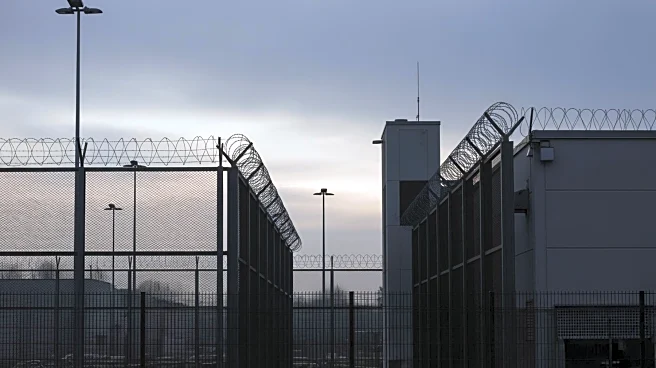
The Trump administration has significantly increased the number of people held in ICE detention centers, following a series of executive orders aimed at stricter immigration enforcement. As of January 7, 2026, nearly 69,000 individuals were detained,
a substantial increase from the 38,000 detainees in early 2025. This rise is attributed to President Trump's directives to maximize detention and limit discretionary releases. The expansion includes more detention centers, with the number doubling from 107 to 212 by the end of 2025. The American Immigration Council reports a 2,450% increase in detainees without criminal records, highlighting a shift in detention practices. Additionally, there have been 32 reported deaths in custody in 2025, raising concerns about the conditions within these facilities.
Why It's Important?
The expansion of ICE detention centers under President Trump's administration has significant implications for U.S. immigration policy and human rights. The increase in detainees, particularly those without criminal records, suggests a shift towards more aggressive enforcement measures. This has sparked criticism from advocacy groups and raised ethical concerns about the treatment of immigrants. The rise in deaths within detention centers further underscores the need for scrutiny and potential reform of detention practices. The financial implications are also notable, with Congress authorizing $45 billion for ICE expansion, indicating a prioritization of immigration enforcement in federal spending.
What's Next?
The future of ICE detention practices will likely continue to be a contentious issue. Advocacy groups may push for policy changes and increased oversight to address human rights concerns. The administration's plans to potentially convert large warehouses into detention centers could face legal and public opposition. Additionally, the reported increase in funding for ICE suggests that the administration may continue to expand its detention capabilities, potentially leading to further legal challenges and public protests.