



What's Happening?
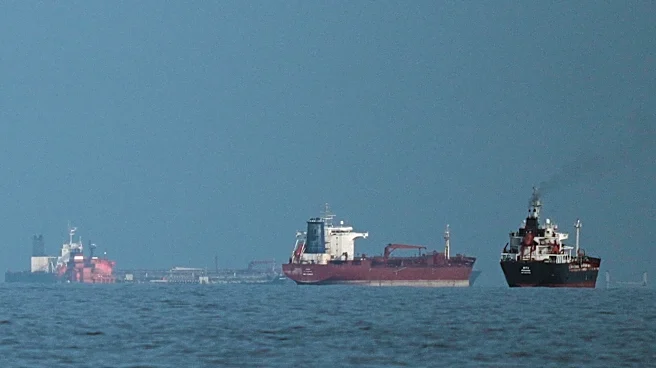
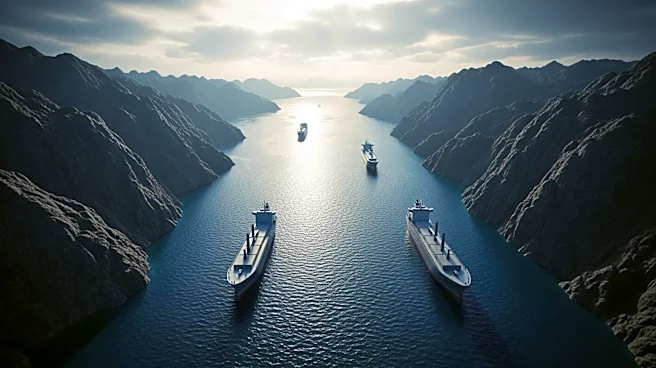
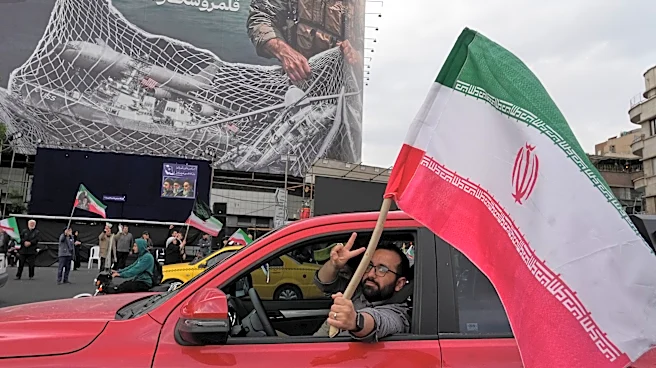
The United States has initiated a naval blockade on Iran, targeting ships entering or leaving Iranian ports in the Gulf. This move follows a six-week conflict involving the U.S.-Israeli coalition against Iran. The blockade is intended to exert economic
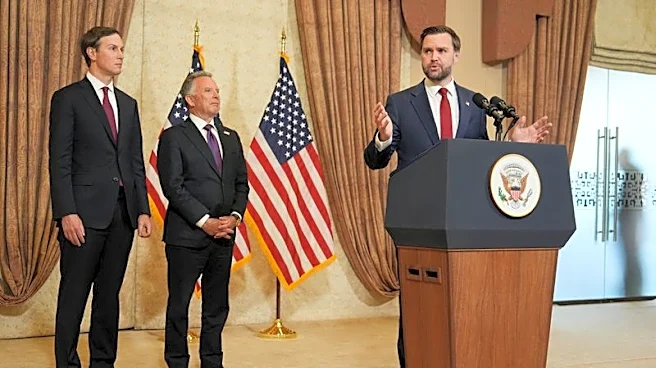
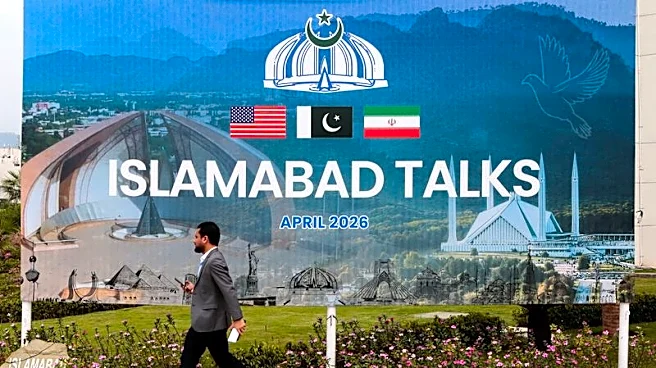
pressure on Iran by restricting its oil exports, a critical component of its economy. President Trump announced the blockade after failed negotiations with Iran in Islamabad, aiming to force Tehran to comply with U.S. demands, including reopening the Strait of Hormuz to international shipping. The blockade is expected to cost Iran significant economic losses, estimated at $13 billion monthly. Despite the blockade, Iran has warned of retaliatory measures, including potential attacks on U.S. naval forces.
Why It's Important?
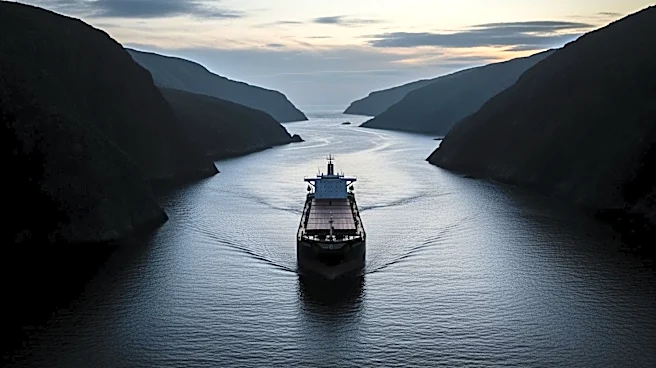
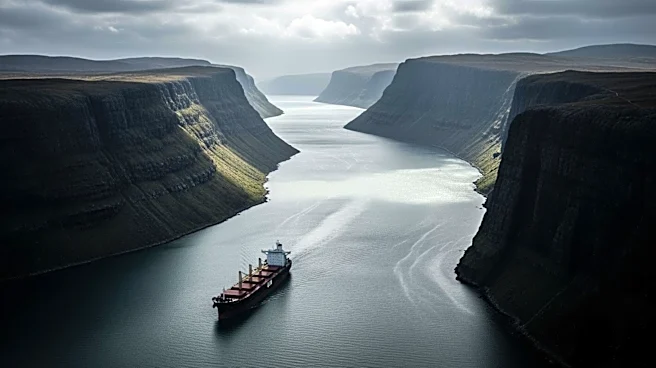
The blockade represents a significant escalation in U.S.-Iran tensions, with potential global economic repercussions. The Strait of Hormuz is a vital passage for global oil shipments, and its closure could lead to increased oil prices, affecting economies worldwide. The blockade also tests international alliances, as European countries have declined to support the U.S. action, emphasizing diplomatic solutions instead. The economic strain on Iran could force it back to the negotiating table, but it also risks further military confrontations. The situation underscores the delicate balance of power in the Middle East and the potential for broader geopolitical conflicts.
What's Next?
The blockade's success depends on Iran's response and the international community's stance. If Iran retaliates, it could lead to military confrontations, further destabilizing the region. The U.S. may seek diplomatic support to legitimize its actions, but resistance from allies could complicate these efforts. The economic impact on global oil markets will be closely monitored, with potential implications for energy prices and economic stability. The situation remains fluid, with the possibility of renewed negotiations or escalated conflict.