






What's Happening?
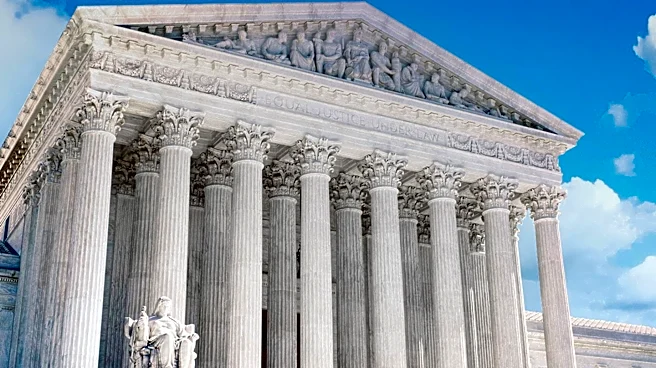
The U.S. Supreme Court has ruled in favor of the Trump administration's decision to end Temporary Protected Status (TPS) for over 356,000 immigrants from Syria and Haiti. This ruling allows the administration to proceed with plans to strip these individuals
of protections that have enabled them to live and work in the United States. The decision has sparked concern among immigrant communities and advocates, who fear the loss of legal status and employment opportunities for affected individuals. The ruling underscores the ongoing debate over immigration policy and its impact on vulnerable populations.
Why It's Important?
The Supreme Court's decision to uphold the termination of TPS for Haitian and Syrian immigrants has significant implications for the individuals affected and the communities they are part of. Many of these immigrants have established lives in the U.S., contributing to the economy and society. The loss of TPS could lead to family separations, economic hardship, and increased vulnerability for those who may face deportation. This development also highlights the broader challenges of balancing immigration enforcement with humanitarian considerations, as well as the potential for policy shifts under different administrations.
What's Next?
In the wake of the Supreme Court ruling, affected immigrants and advocacy groups may pursue legal challenges or seek legislative solutions to extend or reinstate TPS protections. The decision may also prompt increased advocacy efforts aimed at raising awareness of the contributions of TPS holders and the potential consequences of their loss of status. Policymakers and community leaders will need to address the immediate and long-term needs of those impacted, while navigating the complex landscape of immigration policy and reform.