









What's Happening?
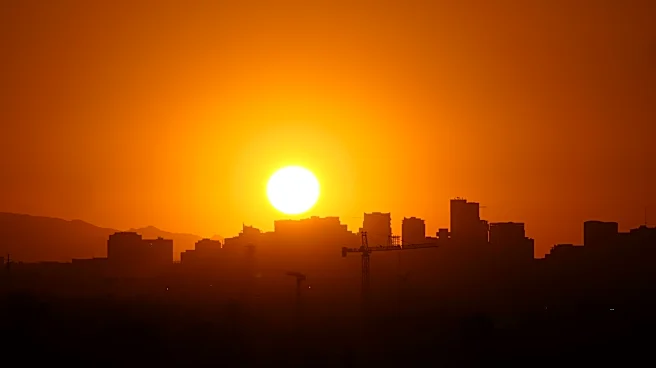
The summer solstice, marking the first day of astronomical summer in the Northern Hemisphere, is set to occur on June 21 at 4:24 a.m. ET. This event signifies the longest day and shortest night of the year, as the Northern Hemisphere is tilted towards
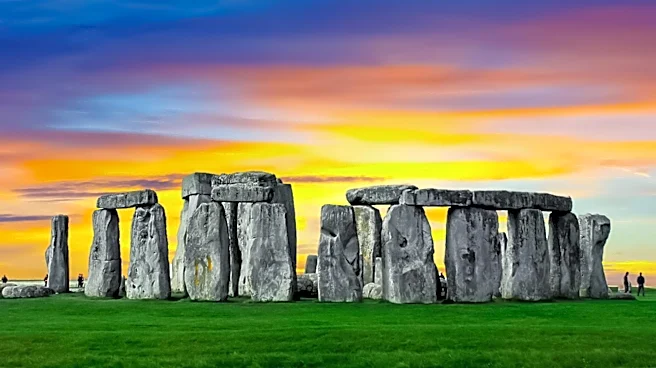
the sun. Locations like Utqiagvik, Alaska, are already experiencing extended daylight. The solstice is celebrated in various cultures, often associated with pagan traditions, and draws large gatherings at sites like Stonehenge in England. The event is a time of celebration and reflection on the changing seasons.
Why It's Important?
The summer solstice is a significant astronomical event that influences cultural and religious practices worldwide. It marks a time of celebration and connection with nature, highlighting the importance of seasonal changes in human history. The solstice also has scientific significance, as it relates to Earth's axial tilt and orbit around the sun. Understanding these natural phenomena can enhance public awareness of astronomy and environmental science. Additionally, the solstice provides an opportunity for cultural exchange and tourism, as people gather at historical sites to witness the event.