



What's Happening?
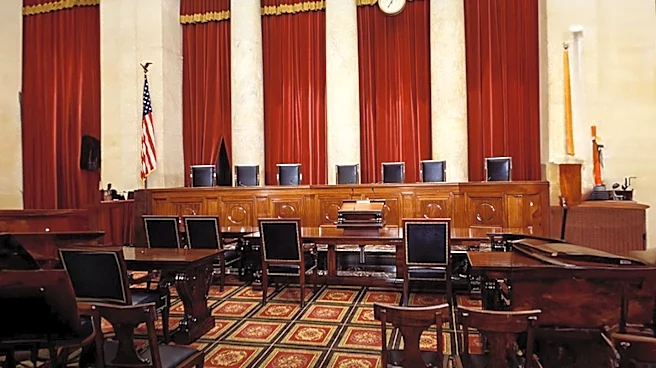
The Massachusetts Supreme Judicial Court is examining a case that could redefine the authority of police chiefs in granting gun permits. The court convened in a special Hampden County session to hear arguments regarding Randy Westbrook's appeal against
the denial of his firearm license application by then-Holyoke Police Chief David Pratt. Pratt cited Westbrook's two previous criminal cases as reasons for deeming him unsuitable to possess a gun. Westbrook contends that the state law, which allows police chiefs to deny permits based on temperament or character, is overly vague and grants excessive discretion. During the proceedings, justices referenced Shays' Rebellion, an 18th-century uprising in Western Massachusetts, to contextualize historical firearm regulations. This historical discussion is prompted by a U.S. Supreme Court ruling four years prior, which mandated that current gun laws must align with the 'nation's historical tradition of firearm regulation.' The court is tasked with determining how far back in an individual's criminal history police chiefs can look and what objective standards should guide their suitability determinations.
Why It's Important?
This case holds significant implications for gun control policy and individual rights in Massachusetts and potentially sets a precedent for other states. A ruling in favor of Westbrook could limit the discretionary power of police chiefs, making it easier for individuals with past legal issues to obtain firearm licenses. Conversely, upholding the current law would reinforce the state's ability to regulate gun ownership based on perceived public safety risks. The reliance on Shays' Rebellion highlights the ongoing debate about the historical interpretation of the Second Amendment and its application to modern gun laws. The outcome will affect how 'suitability' for gun ownership is defined, impacting both law enforcement practices and the rights of citizens to bear arms. This decision could influence future legislative efforts regarding gun control and spark further legal challenges across the U.S., as states grapple with balancing public safety concerns with constitutional rights.
What's Next?
The Massachusetts Supreme Judicial Court is expected to issue a decision on the gun licensing question within the next few months. This ruling will clarify the extent of police chiefs' authority in denying firearm permits and establish clearer guidelines for assessing an applicant's suitability. Depending on the outcome, there could be significant reactions from various stakeholders. Gun rights advocates will likely scrutinize the decision for its impact on Second Amendment interpretations, potentially leading to further appeals or legislative lobbying efforts. Conversely, gun control proponents will be watching to see if the court strengthens or weakens existing regulations. The decision could also prompt state lawmakers to consider amendments to the current gun licensing statutes to either codify the court's interpretation or address any ambiguities highlighted by the ruling. The case's reliance on historical precedent, particularly Shays' Rebellion, may also influence how similar cases are argued and decided in other jurisdictions.
Beyond the Headlines
The case delves into the complex interplay between historical events, constitutional rights, and contemporary public safety concerns. The discussion of Shays' Rebellion underscores the enduring relevance of early American history in shaping modern legal interpretations, particularly concerning the right to bear arms. This historical lens forces a re-evaluation of what constitutes a 'threat to public safety' and how long past actions should impact an individual's rights. The ethical dimension of the case revolves around balancing individual liberty with collective security, a perennial challenge in democratic societies. Furthermore, the case highlights the subjective nature of 'temperament' and 'character' as criteria for gun ownership, raising questions about fairness and potential biases in the application of such standards. The court's decision could contribute to a broader national dialogue on the role of historical context in legal rulings and the evolving understanding of gun rights in the U.S.