
What's Happening?
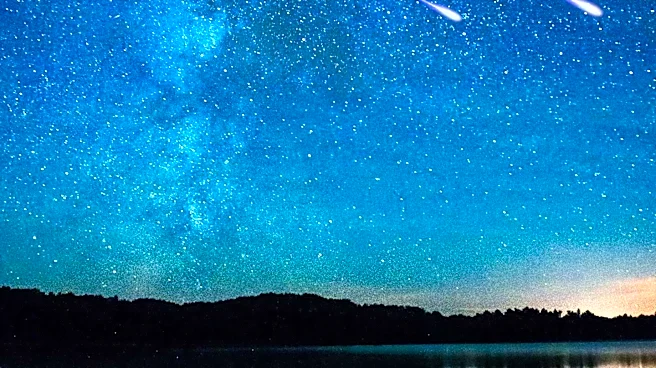
The Perseid meteor shower, one of the most anticipated astronomical events, is expected to peak on August 12, 2026. Known for its bright and vibrant meteors, the shower will be visible across the United
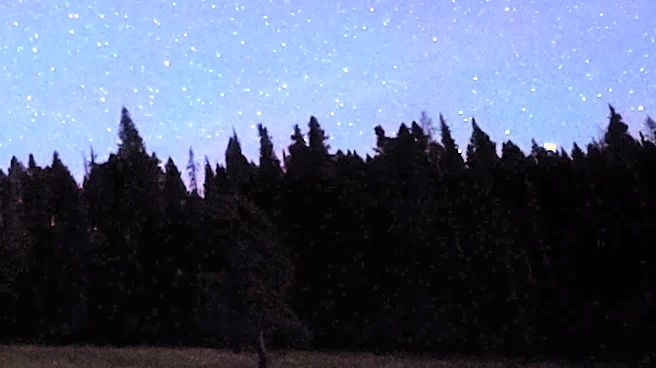
States, with optimal viewing conditions in areas with minimal light pollution. The meteors, originating from the comet Swift-Tuttle, will be most visible in dark-sky locations. Experts recommend several U.S. destinations for viewing, including Great Basin National Park in Nevada, Big Bend National Park in Texas, and Cherry Springs State Park in Pennsylvania. These locations offer clear skies and minimal artificial light, enhancing the stargazing experience.
Why It's Important?
The Perseid meteor shower provides a unique opportunity for public engagement with astronomy and nature. It highlights the importance of preserving dark-sky areas, which are increasingly threatened by urban light pollution. The event also boosts local tourism in remote areas, as enthusiasts travel to optimal viewing sites. This influx can support local economies and raise awareness about environmental conservation. Additionally, the shower serves as an educational tool, inspiring interest in science and the natural world among diverse audiences.
What's Next?
As the peak of the Perseids approaches, national parks and dark-sky reserves are preparing for increased visitor numbers. Many locations are organizing special events, including guided tours and educational talks, to enhance the viewing experience. These events aim to educate the public about the meteor shower and the broader implications of light pollution. Observers are encouraged to plan their visits in advance, considering factors such as weather conditions and accessibility to ensure a successful stargazing experience.