





What's Happening?
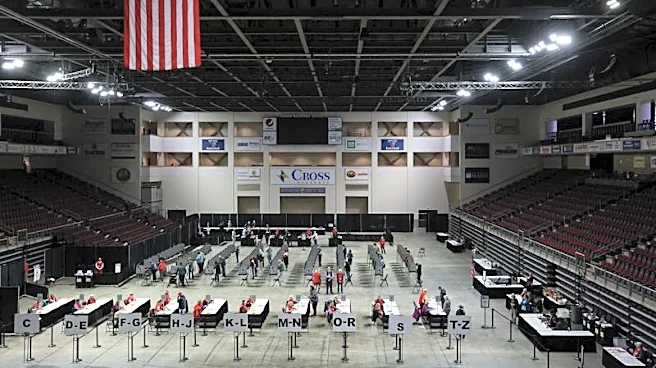
The Department of Justice (DOJ) has deployed election monitors to Charleston County, South Carolina, as part of a nationwide effort to ensure election integrity during the 2026 midterm elections. This marks the first time the DOJ has sent monitors to locations
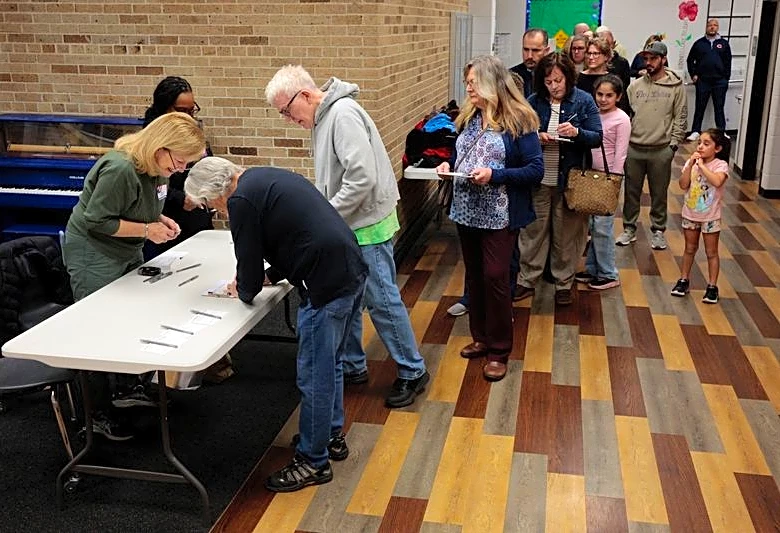
in all 50 states. Approximately 1,000 election monitors and observers, including personnel from the Civil Rights Division, other DOJ divisions, U.S. Attorney’s Offices, and federal observers from the Office of Personnel Management, have been deployed. Their role is to check for compliance with federal voting rights statutes, such as the Voting Rights Act, National Voter Registration Act, Help America Vote Act, Uniformed and Overseas Citizens Absentee Voting Act, and the Civil Rights Acts. Voters in Charleston County have expressed mixed reactions to the presence of these monitors. The DOJ emphasizes that maintaining election integrity and protecting the right to vote are among its most important missions.
Why It's Important?
The deployment of DOJ election monitors to Charleston County, and across all 50 states, underscores a heightened focus on election integrity and the protection of voting rights in the U.S. This initiative aims to build public confidence in the electoral process by ensuring compliance with federal voting laws. For voters, the presence of monitors could offer reassurance that their rights are being upheld, potentially mitigating concerns about fairness and accessibility. However, mixed reactions from voters suggest that such oversight can also be perceived differently, possibly raising questions about federal intervention in local elections. The outcome of these monitoring efforts could influence future election administration policies and public discourse surrounding the integrity of U.S. elections, impacting how states and counties manage their voting processes and how citizens perceive their electoral system.
What's Next?
As the midterm elections conclude, the DOJ monitors will continue to receive questions and complaints from the public related to federal voting rights laws. These complaints can be directed to an election issues hotline or through the DOJ's website. Any disruptions or incidents at polling places are to be reported to local election officials, with violence or intimidation reported immediately to local police. The information gathered by these monitors will likely be compiled and analyzed by the DOJ, potentially leading to reports or recommendations regarding election practices. This data could inform future policy decisions or legal actions aimed at strengthening voting rights and election security. The public's reaction to the monitoring efforts, particularly in areas like Charleston County, will also be a key indicator of the perceived success and necessity of such federal oversight.
Beyond the Headlines
The unprecedented deployment of DOJ election monitors to all 50 states, including Charleston County, highlights a deeper societal tension surrounding trust in democratic institutions and the electoral process. While intended to safeguard voting rights and ensure fair elections, such federal oversight can also spark debates about states' rights and the balance of power between federal and local authorities. The 'mixed reactions' from voters in Charleston County suggest a complex interplay of concerns, ranging from appreciation for protection against voter suppression to potential apprehension about federal intrusion. This development could contribute to a broader national conversation about the role of federal government in elections, potentially influencing future legislative efforts related to voting rights and election administration. It also underscores the ongoing challenge of maintaining public confidence in elections amidst a polarized political landscape.