





What's Happening?
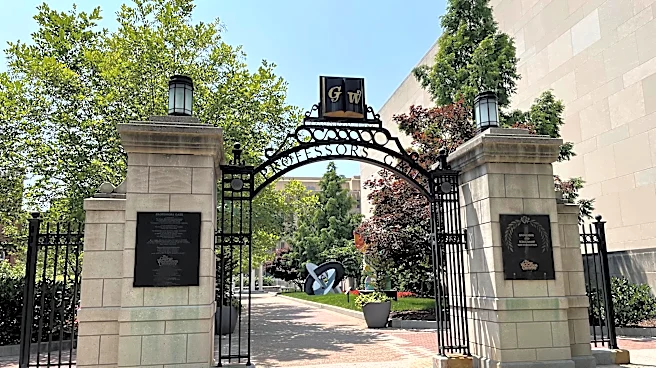
George Washington University (GW) is actively seeking a Research Security and Export Control Officer to lead and manage its export control and research security compliance programs. This position, located within the Office of Research Integrity and Compliance
(ORIC), will be responsible for developing and implementing policies and procedures, overseeing training, and providing expert advice to faculty, staff, and leadership on all export- and research security-related matters. The officer will monitor federal laws, rules, and regulations pertaining to export controls and research security, including the International Traffic in Arms Regulations (ITAR), Export Administration Regulations (EAR), and Office of Foreign Assets Controls (OFAC) regulations. The role involves collaborating with various university offices, such as the Office of the Vice President and General Counsel and the Office of Sponsored Projects, and liaising with government agencies to ensure compliance.
Why It's Important?
This new position at George Washington University highlights the increasing complexity and importance of export control and research security within academic institutions, particularly in the context of federal regulations. Universities engaged in cutting-edge research, especially those with international collaborations, face significant risks of non-compliance, which can lead to severe penalties, loss of funding, and damage to reputation. The role underscores the need for specialized expertise to navigate intricate federal laws and protect sensitive research from unauthorized access or transfer. By strengthening its compliance program, GW aims to safeguard its research enterprise, maintain its eligibility for federal grants, and ensure the ethical conduct of its academic activities. This trend reflects a broader national emphasis on protecting intellectual property and national security interests within the research community.
What's Next?
The Research Security and Export Control Officer will be tasked with building out GW's export control and research security program. This includes developing and maintaining a comprehensive training program, conducting risk assessments, and providing guidance on export determinations and the applicability of the Fundamental Research Exclusion. The officer will also manage the university’s restricted-party screening solution and ensure compliant transfer of controlled information and technologies. The continuous review and development of the program will be crucial to adapt to evolving federal and non-federal sponsor requirements. The successful candidate will also represent GW in relevant national organizations like the Association of University Export Control Officers (AUECO), indicating an ongoing commitment to staying abreast of best practices and regulatory changes.
Beyond the Headlines
The creation of this role at GW reflects a growing national concern over foreign influence in U.S. research and the protection of sensitive technologies. Beyond mere compliance, the position touches upon broader issues of academic freedom versus national security, and the delicate balance universities must strike in fostering international collaboration while mitigating risks. The emphasis on monitoring federal regulatory developments suggests an anticipation of further tightening of export controls and research security measures. This could lead to increased scrutiny of international students and researchers, changes in how research partnerships are formed, and potentially a shift in the global landscape of scientific collaboration. The ethical implications involve ensuring that security measures do not inadvertently stifle innovation or create an environment of distrust within the academic community.