
What's Happening?
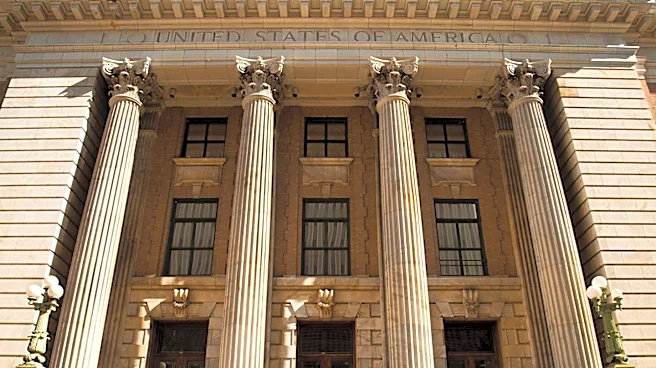
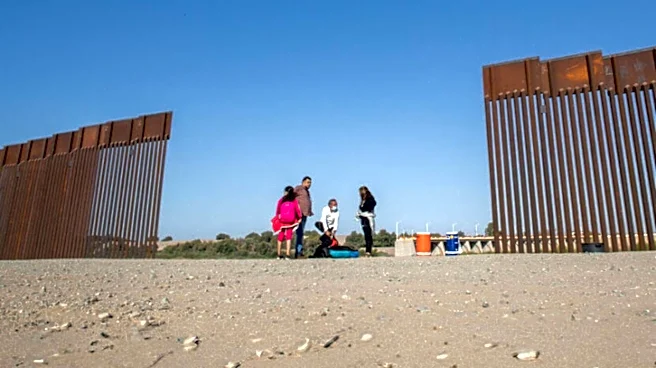
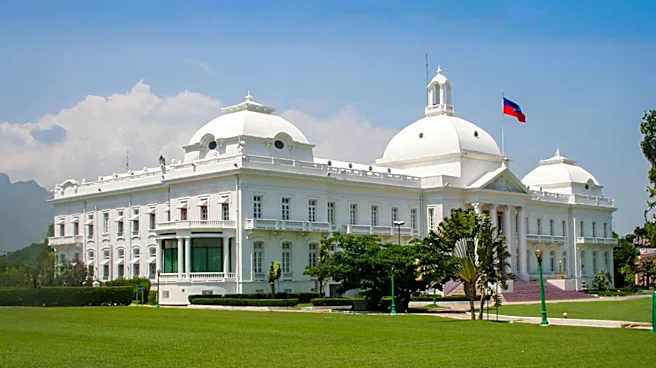
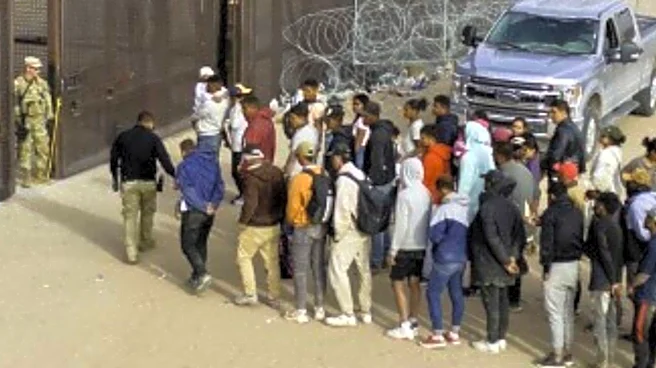
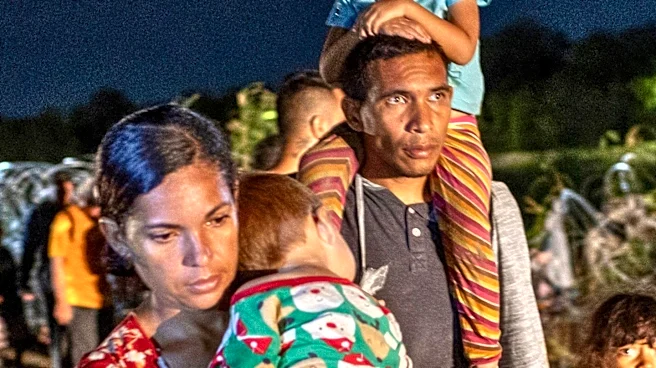
The Supreme Court has allowed President Trump to proceed with a mass deportation campaign targeting Haitian immigrants who previously held Temporary Protected Status (TPS). This decision affects approximately 350,000 Haitians, many of whom have been legally
residing in the U.S. for years. The TPS program, which has provided legal status to immigrants from countries experiencing crises, has been revoked, leading to mass layoffs and potential deportations. Justice Elena Kagan highlighted the case of Fritz Emmanuel Lesly Miot, a Haitian scientist, in her dissent, emphasizing the humanitarian and economic contributions of these immigrants.
Why It's Important?
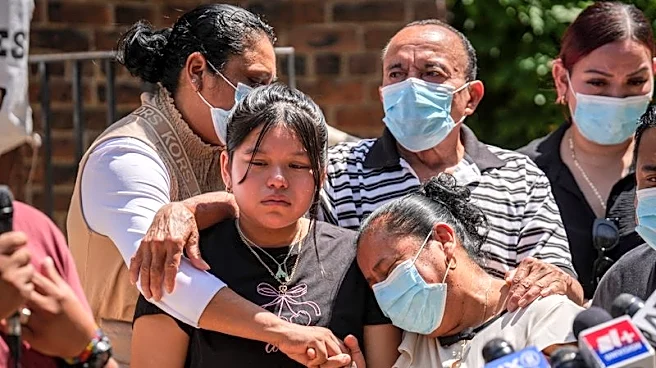
The decision has significant implications for U.S. immigration policy and the lives of thousands of immigrants who have been contributing to the economy and society. The revocation of TPS could lead to labor shortages in industries reliant on immigrant workers, such as healthcare and hospitality. It also raises ethical concerns about the treatment of immigrants who have built lives in the U.S. and the potential humanitarian crisis if they are forced to return to unstable conditions in their home countries.
What's Next?
The decision may lead to increased political and legal challenges as advocacy groups and affected individuals seek to protect the rights of TPS holders. There could be legislative efforts to extend or reinstate protections for these immigrants, although political opposition may hinder progress. The economic impact of deporting essential workers could prompt businesses and industry groups to lobby for policy changes to address labor shortages.