





What's Happening?
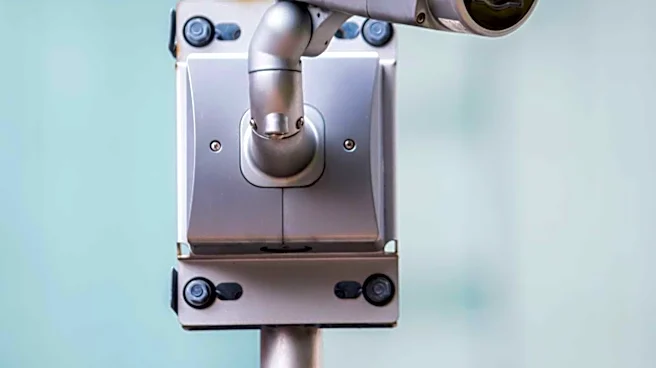
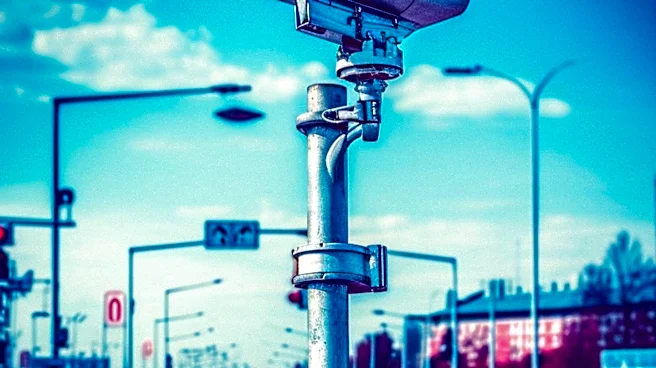
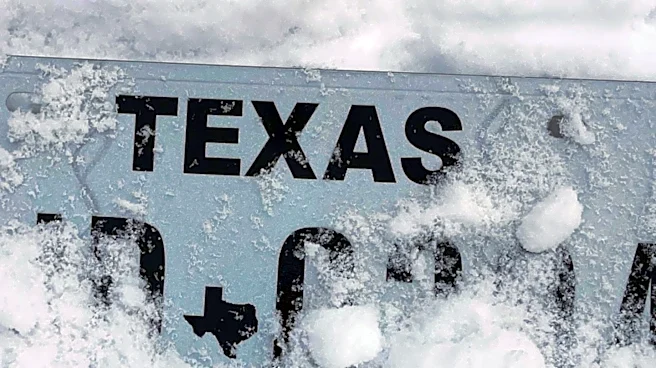
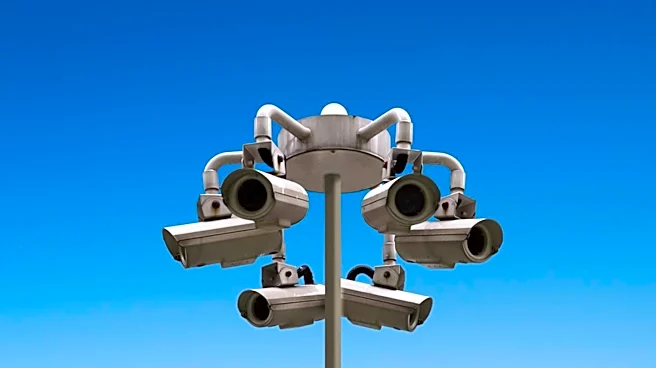
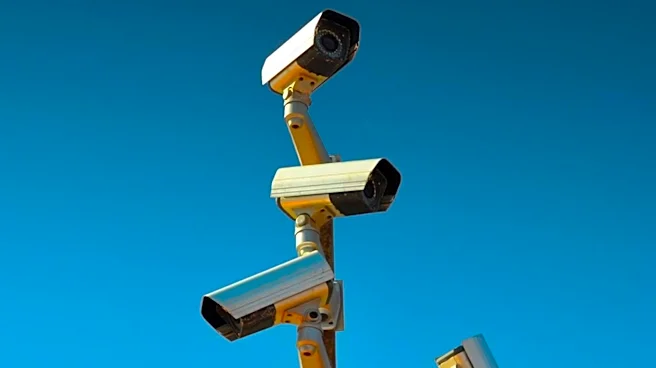
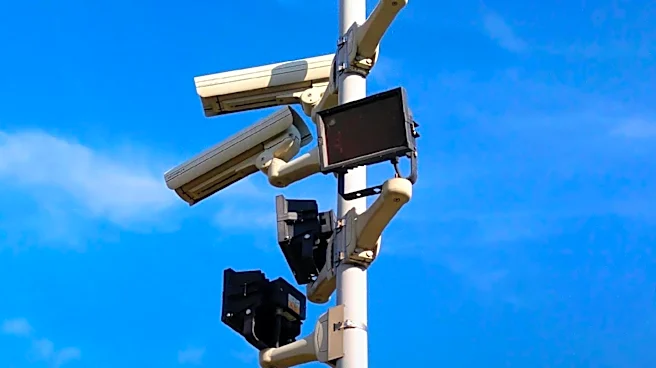
Clark County Sheriff Kevin McMahill has defended the use of automated license plate reader cameras by the Las Vegas Metropolitan Police Department, despite growing privacy concerns. The department uses approximately 180 Flock Safety cameras and 130 Motorola
cameras to capture images of license plates and vehicles, storing the data for 90 days. The images are used to check against law enforcement databases for criminal activity. McMahill emphasized that the system is not facial recognition and is used solely for law enforcement purposes. However, privacy advocates, including the ACLU of Nevada, argue that the cameras contribute to a mass surveillance system that infringes on individual privacy rights.
Why It's Important?
The debate over the use of license plate reader cameras highlights the tension between public safety and privacy rights. While law enforcement agencies argue that the technology is a valuable tool for solving crimes, privacy advocates warn that it could lead to unwarranted surveillance and data collection. The controversy reflects broader concerns about the balance between security and civil liberties in the digital age. As more communities consider adopting similar technologies, the outcome of this debate could influence future policies and regulations regarding surveillance and data privacy.
What's Next?
As the privacy debate intensifies, law enforcement agencies may face increased pressure to justify the use of surveillance technologies and implement safeguards to protect individual privacy. Community discussions and legal challenges could shape the future use of license plate reader cameras and similar technologies. Policymakers may need to consider new regulations that address privacy concerns while allowing law enforcement to effectively use technology in crime prevention. The outcome of these discussions could have implications for the deployment of surveillance technologies across the country.