





What's Happening?
Zimbabwean President Emmerson Mnangagwa has praised Chinese investment in the country's lithium processing sector, highlighting its significance in enhancing the value of Zimbabwe's mineral resources. During the Mining, Engineering and Transport Expo
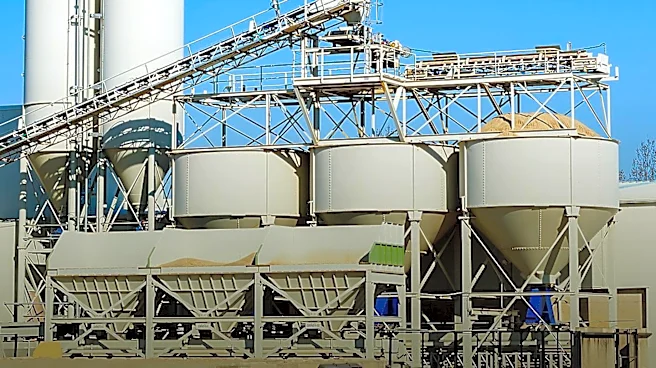
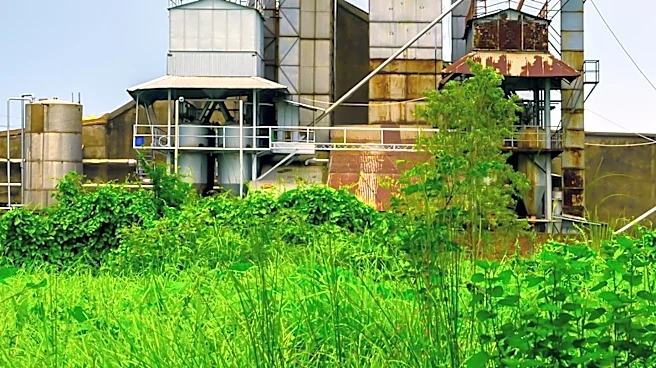
in Bulawayo, Vice President Constantino Chiwenga delivered a speech on behalf of Mnangagwa, commending Zhejiang Huayou Cobalt for establishing Zimbabwe's first lithium sulphate plant in Goromonzi, Mashonaland East Province. This development marks a significant milestone in Zimbabwe's efforts to transition from exporting raw minerals to adding value through local processing. Mnangagwa also acknowledged other Chinese companies, such as Sinomine's subsidiary Bikita Minerals, for their contributions to the lithium beneficiation process. The establishment of these plants positions Zimbabwe as the only African nation with multiple lithium-processing operations, a move expected to benefit not only mining company shareholders but also local communities along the value chain.
Why It's Important?
The investment in lithium processing is crucial for Zimbabwe as it seeks to maximize the benefits from its mineral resources, particularly in the context of the global energy transition. By focusing on value addition, Zimbabwe aims to shift from being a mere supplier of raw minerals to a key player in the lithium market, which is essential for battery production and renewable energy technologies. This strategic move could significantly boost the country's economy, create jobs, and enhance local community development. The ban on raw mineral exports, approved by the Zimbabwean Cabinet, further underscores the government's commitment to fostering local industry growth and ensuring that the economic benefits of mineral resources are retained within the country.
What's Next?
As Zimbabwe continues to develop its lithium processing capabilities, the country is likely to attract more foreign investment, particularly from nations seeking to secure a stable supply of lithium for their energy needs. The successful implementation of these processing plants could serve as a model for other African countries with similar mineral resources. Additionally, the focus on local beneficiation may lead to increased collaboration between the government, local businesses, and international investors, fostering a more sustainable and inclusive economic growth model. The ongoing development in the lithium sector will require continuous monitoring to ensure that the benefits are equitably distributed among all stakeholders.