
What's Happening?
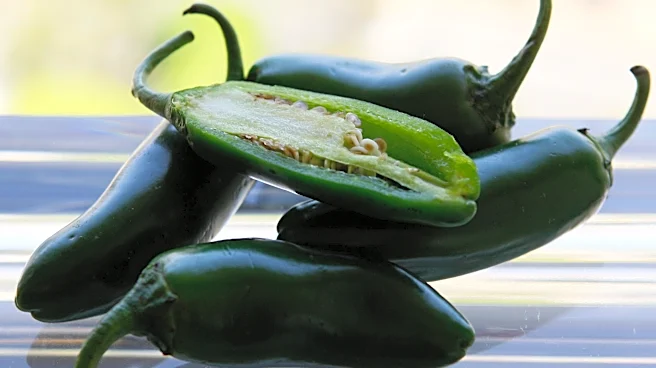
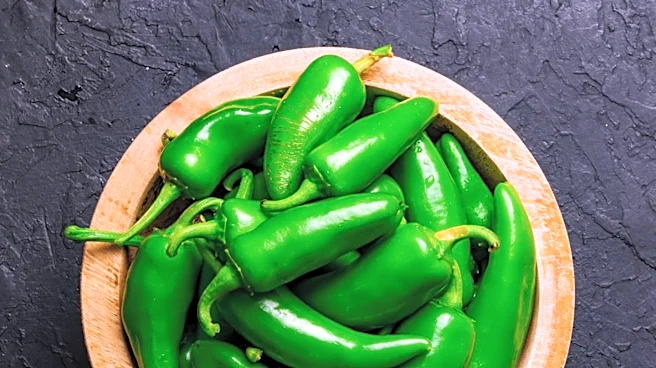
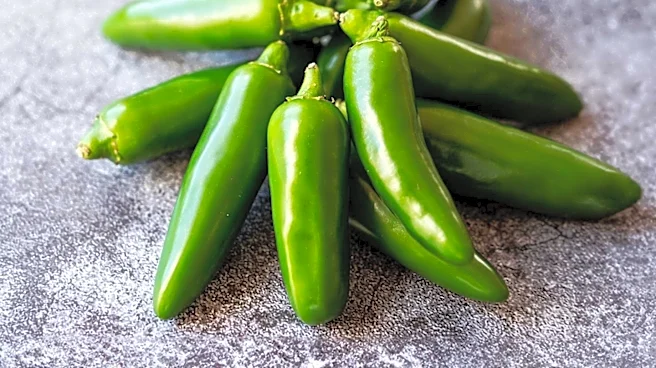
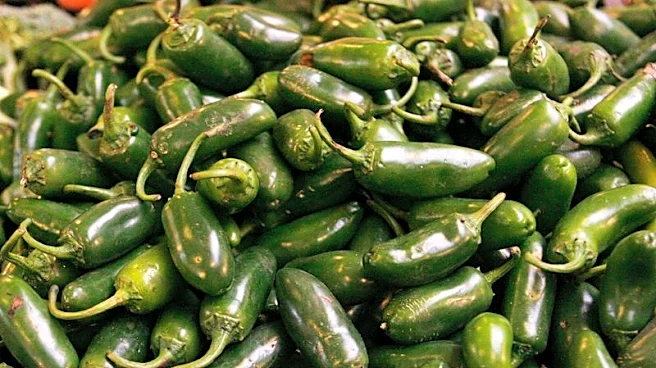
A multistate salmonella outbreak in the United States has been traced back to jalapeño peppers grown in Sinaloa, Mexico. The Centers for Disease Control and Prevention (CDC) reported that the peppers were distributed in the U.S. by Coast Citrus Distributors,
which has since recalled the product and notified its customers, including major Mexican food restaurant chains. The outbreak has affected at least 345 people across 27 states, with the majority of cases reported in Minnesota and Colorado. Although no deaths have been reported, 36 individuals have been hospitalized. The Food and Drug Administration (FDA) noted that 93% of the 191 people interviewed in the outbreak investigation had eaten at Mexican-style restaurants, such as Chipotle Mexican Grill and Qdoba, between June 14 and July 14. Both restaurant chains have removed jalapeños from their menus as a precautionary measure.
Why It's Important?
The salmonella outbreak highlights the vulnerabilities in the food supply chain, particularly concerning imported produce. With 1.35 million salmonella infections occurring annually in the U.S., the outbreak underscores the need for stringent food safety measures and effective traceability systems. The incident has also impacted the financial performance of affected businesses, with Chipotle's shares dropping nearly 10% and Sweetgreen's shares falling 14% in after-hours trading. The outbreak raises consumer concerns about the safety of fresh produce, potentially affecting sales and consumer trust in the food industry. It also emphasizes the importance of cross-border cooperation in food safety investigations, as Mexican health officials have initiated an investigation into the packing plant in Nuevo Leon.
What's Next?
The FDA is continuing its investigation to determine if any of the contaminated jalapeños reached grocery stores, and may announce further actions on its recalls webpage. The outcome of the Mexican health officials' investigation into the packing plant could lead to additional regulatory measures or changes in agricultural practices. Restaurants and food distributors may need to reassess their supply chains and implement more rigorous safety checks to prevent future outbreaks. The incident could also prompt discussions on improving international food safety standards and collaboration between countries to ensure the safety of imported food products.