
What's Happening?
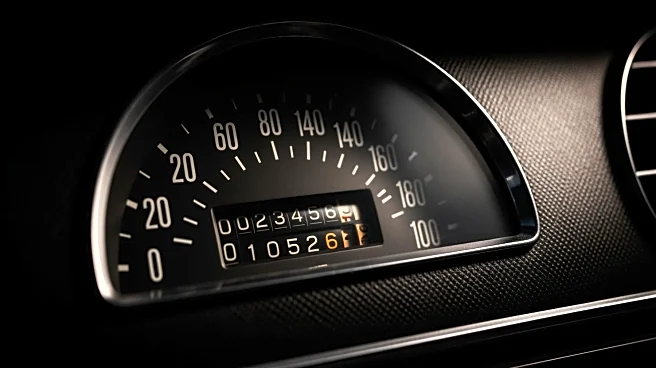
A recent report from Carfax has revealed that approximately 2.45 million vehicles on U.S. roads are suspected of having rolled-back odometers, marking a 14% increase from the previous year. This practice,
known as odometer rollback, involves altering the mileage displayed on a vehicle to make it appear less used, thereby increasing its market value. Despite advancements in digital odometers, tampering remains prevalent due to the availability of inexpensive electronic devices that can manipulate the readings. The report highlights that cars with altered odometers lose about $3,300 in value on average, leading to unexpected repair costs and safety issues for buyers.
Why It's Important?
The issue of odometer rollback has significant implications for the used car market and consumer protection. It affects the financial well-being of buyers who may unknowingly purchase vehicles with hidden defects or inflated prices. The practice also undermines trust in the automotive market, potentially leading to stricter regulations and increased scrutiny from authorities. For sellers, the risk of legal repercussions and damage to reputation is a concern. The report emphasizes the need for consumers to conduct thorough research and utilize tools like vehicle history reports to avoid falling victim to such fraud.
What's Next?
In response to the growing problem of odometer fraud, consumers are encouraged to take proactive measures when purchasing used vehicles. This includes obtaining vehicle history reports, inspecting physical signs of wear, and consulting trusted mechanics. Carfax offers an online odometer check tool that can help identify discrepancies in mileage records. As awareness of the issue increases, there may be calls for enhanced regulatory measures and technological solutions to prevent odometer tampering. The automotive industry and consumer protection agencies may also collaborate to educate the public and develop more robust systems for verifying vehicle histories.