





What's Happening?
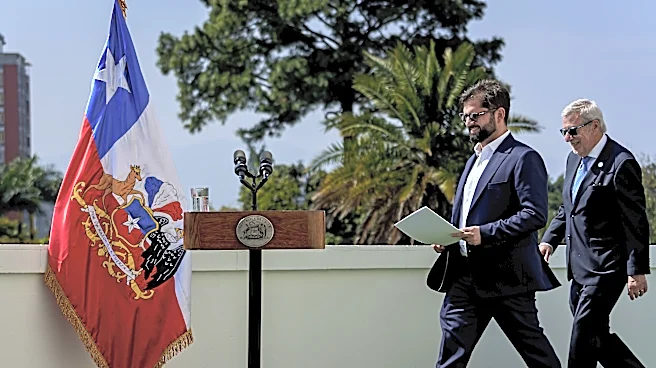
Alexandra Cousteau, a prominent ocean advocate, met with Chile's Ministry of Foreign Affairs to reaffirm their shared commitment to protecting the high seas. The discussions focused on advancing the protection of critical marine ecosystems, specifically
the Salas y Gómez and Nazca Ridges in the South Pacific. Felipe Paredes, Oceana's Marine Protected Areas Director in Chile, highlighted these ridges as among the most valuable ecosystems in the region. Cousteau emphasized the crucial role of international scientific collaboration in building the case for protection, noting that the knowledge gained about these underwater mountain ranges is a direct result of extensive global cooperation. This collaboration aims to facilitate the creation of the first marine protected area under the Biodiversity Beyond National Jurisdiction (BBNJ) Agreement. The meeting concluded with a mutual commitment to strengthen collaboration among governments, scientists, and civil society to advance ocean protection and ensure the successful implementation of the BBNJ Agreement.
Why It's Important?
This commitment is significant for U.S. and international environmental policy as it underscores a growing global effort to conserve marine biodiversity in areas beyond national jurisdiction, which constitute nearly two-thirds of the world's ocean. The protection of the Salas y Gómez and Nazca Ridges, rich in unique biodiversity, sets a precedent for future high seas conservation initiatives. The emphasis on international scientific collaboration highlights the necessity of shared knowledge and resources to address complex global environmental challenges. For U.S. stakeholders, particularly those involved in marine science, conservation, and international diplomacy, this initiative demonstrates a pathway for effective multilateral action. The successful implementation of the BBNJ Agreement, supported by such collaborations, could lead to more robust frameworks for managing and protecting marine resources globally, impacting fishing industries, scientific research, and the overall health of the planet's oceans.
What's Next?
The immediate next steps involve continued collaboration between Chile, Belgium (as part of a joint candidacy), and organizations like Oceana to advance the protection of the Salas y Gómez and Nazca Ridges. This includes working towards the establishment of the first marine protected area under the BBNJ Agreement. Additionally, a proposed fishing closure currently under consideration by the South Pacific Regional Fisheries Management Organisation (SPRFMO) is a complementary effort that will reinforce Chile's leadership in ocean conservation. The ongoing commitment to strengthening collaboration among governments, scientists, and civil society suggests a sustained effort to implement the BBNJ Agreement effectively. Future actions will likely involve further scientific expeditions, policy discussions, and diplomatic efforts to expand marine protected areas and enforce conservation measures in international waters.
Beyond the Headlines
The collaboration between Alexandra Cousteau and Chile's Ministry of Foreign Affairs reflects a broader recognition of the interconnectedness of global ecosystems and the shared responsibility for their stewardship. This initiative touches upon critical legal and ethical dimensions concerning the governance of common heritage areas like the high seas. The BBNJ Agreement itself is a landmark treaty, and its successful implementation through such partnerships could set a powerful precedent for international environmental law, influencing how nations cooperate on other global commons issues, such as climate change and resource management. The focus on science-based measures also highlights the increasing reliance on scientific data to inform policy decisions, fostering a more evidence-driven approach to conservation. This effort could inspire other nations to engage in similar bilateral and multilateral agreements, leading to a more comprehensive and effective global ocean conservation strategy.