


What's Happening?
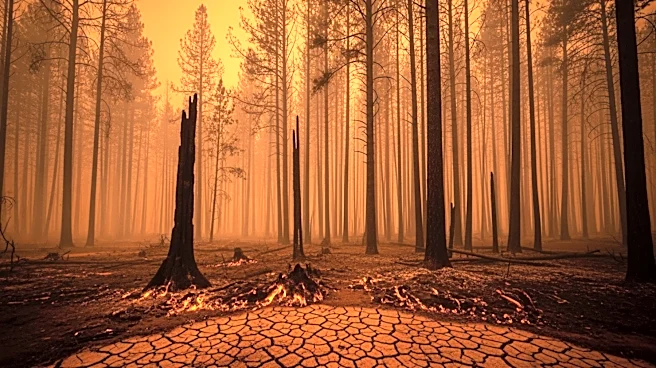
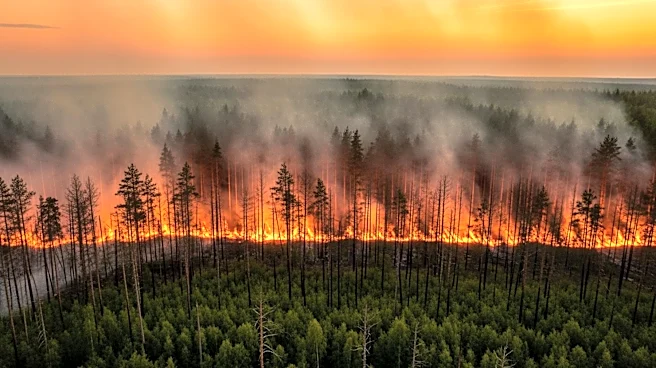
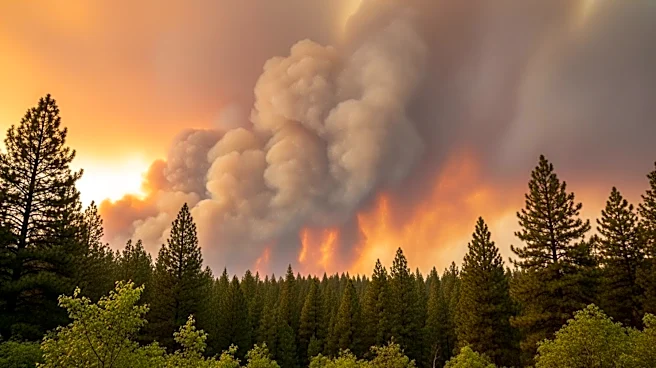
The Georgia Forestry Commission has implemented a burn ban across 91 counties, including Richmond, Columbia, Burke, Jefferson, and McDuffie, due to ongoing wildfires in south Georgia. This ban prohibits open outdoor burning of yard debris, which can release
harmful pollutants and degrade air quality. The U.S. Environmental Protection Agency highlights the health risks associated with burning yard debris, such as respiratory and cardiovascular issues. In response, the agency and local waste management authorities recommend alternative methods for handling yard waste. These include composting, mulching, chipping, and utilizing curbside yard waste pickup services. The Georgia Environmental Protection Division's annual summer burn ban will also take effect from May 1 to September 30, further restricting the burning of yard debris and land-clearing materials.
Why It's Important?
The burn ban is crucial for protecting public health and the environment by reducing air pollution and preventing respiratory and cardiovascular health risks. It encourages residents to adopt more sustainable waste management practices, such as composting and mulching, which can improve soil health and reduce landfill waste. The ban also highlights the importance of community and government efforts in managing environmental challenges, particularly during periods of increased wildfire risk. By promoting alternative disposal methods, the ban supports environmental stewardship and public safety.
What's Next?
Residents in the affected counties will need to adjust to the burn ban by exploring alternative yard waste disposal methods. Local governments and waste management agencies may increase public awareness campaigns to educate residents on sustainable practices. The Georgia Environmental Protection Division will continue to enforce the seasonal burn ban, and residents should stay informed about any changes or extensions to the restrictions. Community involvement in sustainable waste management practices could lead to long-term environmental benefits and improved public health outcomes.