






What's Happening?
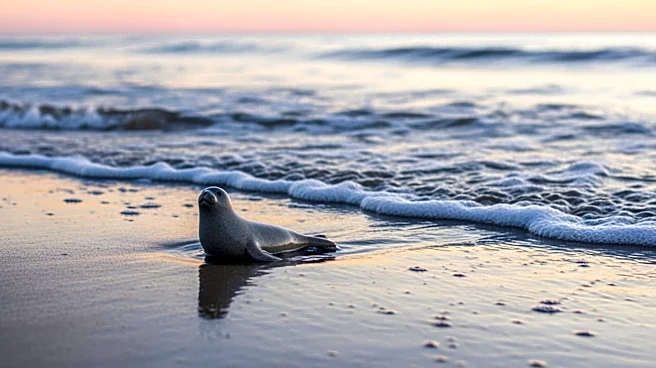
A Seattle tourist is facing potential federal charges after being caught on video throwing a rock at an endangered Hawaiian monk seal, known locally as Lani, in Lahaina, Maui. The incident, which occurred along the shoreline off Front Street, was captured
and shared widely on social media, leading to public outrage. A local Hawaiian, who witnessed the act, confronted the tourist and physically assaulted him, an action that has been both criticized and praised. The Hawaii Department of Land and Natural Resources has referred the case to federal prosecutors with NOAA’s Office of Law Enforcement for possible prosecution under the Marine Mammal Protection Act. The tourist, who has not been publicly identified, was detained for questioning but later released after requesting legal counsel. No charges have been filed yet.
Why It's Important?
This incident highlights the ongoing tension between local communities and tourists in Hawaii, particularly concerning the protection of native wildlife and cultural respect. The Hawaiian monk seal is a critically endangered species, and actions like this threaten their survival and violate federal wildlife protection laws. The public reaction, including the physical confrontation by a local, underscores the deep cultural and environmental values held by Hawaiians. This event also raises questions about the responsibilities of tourists to respect local customs and the environment. The potential legal consequences for the tourist could serve as a deterrent for similar behavior in the future, emphasizing the importance of protecting endangered species and respecting local laws.
What's Next?
If charged, the tourist could face a $50,000 fine and possible jail time under the Marine Mammal Protection Act. The case is currently under review by federal prosecutors, and further legal actions are anticipated. The incident has prompted calls for increased awareness and education for tourists visiting Hawaii, with suggestions that airlines play informational videos about respecting local wildlife and culture. The outcome of this case could influence future policies and enforcement strategies regarding wildlife protection and tourist behavior in Hawaii.