





What's Happening?
The German government is contemplating new legislation to mitigate the significant increase in petrol prices, which have surged more in Germany than in other European countries. This price hike is attributed to the ongoing U.S.-Israeli military conflict
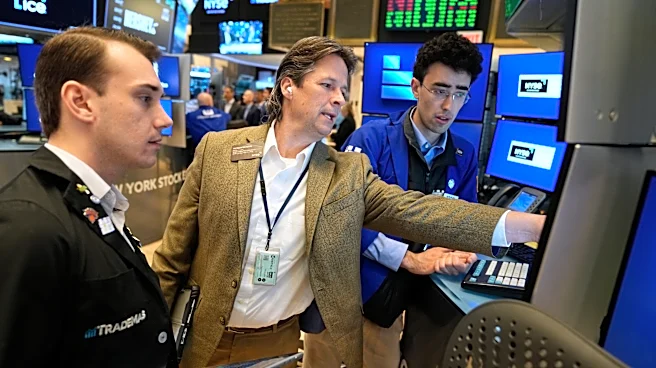
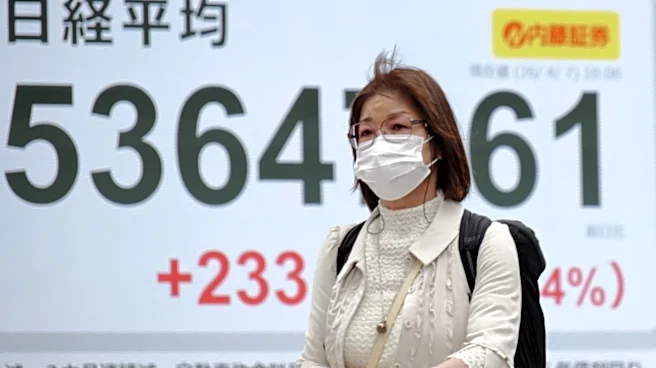
with Iran, which has disrupted global oil supply chains. As European markets reopen after a four-day Easter break, investors are closely monitoring the situation, especially with President Trump's deadline for Iran to reopen the Strait of Hormuz. The potential for further escalation in the conflict has created uncertainty in the markets, with European stocks showing mixed reactions.
Why It's Important?
The proposed legislation by the German government is crucial as it aims to stabilize the domestic economy by addressing the rising fuel costs, which can have a ripple effect on various sectors, including transportation and manufacturing. The conflict in the Middle East, particularly involving major oil routes like the Strait of Hormuz, poses a significant threat to global energy security. The outcome of President Trump's ultimatum to Iran could have far-reaching implications for international relations and economic stability, affecting not only Germany but also the broader European and global markets.
What's Next?
The international community is awaiting Iran's response to President Trump's demands, which could either lead to a de-escalation or further intensification of the conflict. The German government is likely to expedite its legislative process to provide relief to consumers and businesses affected by the fuel price surge. Meanwhile, investors will be closely watching the developments in the Middle East and their impact on global oil prices and stock markets.