







What's Happening?
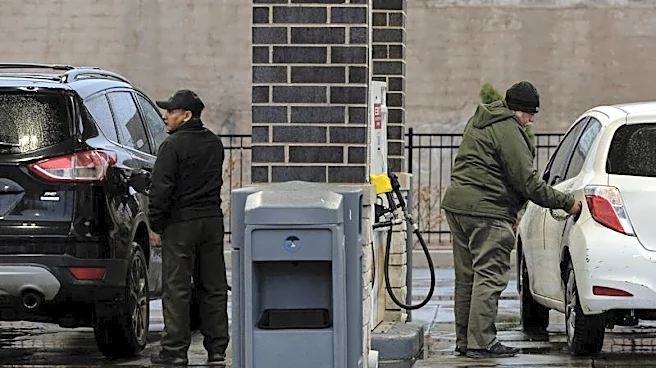
Tribal gas stations across the United States are providing relief to drivers by offering lower fuel prices compared to other stations, amidst a surge in gas prices due to the ongoing Iran war. As of 2025, there are nearly 500 tribally owned convenience
stores with gas stations nationwide, with significant concentrations in states like California, Oklahoma, and New Mexico. These stations often sell gas at prices significantly lower than nearby competitors, sometimes as much as 60 cents less per gallon. In addition to fuel, these businesses generate revenue through drive-through smoke shops, car washes, and truck stop amenities. Many are located near or operate as casinos, contributing to the revenue of Native American reservations. These tribal businesses also play a crucial role in providing groceries in areas lacking access to affordable food, known as 'food deserts.'
Why It's Important?
The lower fuel prices offered by tribal gas stations are significant as they provide financial relief to consumers during a period of rising gas prices, which have been driven up by geopolitical tensions in the Middle East. This price advantage is largely due to tax exemptions that tribal businesses enjoy, allowing them to sell fuel at lower prices. The economic impact extends beyond fuel savings, as these businesses also support local economies by providing jobs and essential services in underserved areas. The presence of these stations helps mitigate the effects of 'food deserts' by offering groceries and household supplies, thereby enhancing food security in these regions. Additionally, the revenue generated supports the infrastructure and public services on Native American reservations.
What's Next?
As geopolitical tensions continue, it is likely that gas prices will remain volatile. Tribal gas stations may continue to attract more customers seeking cheaper fuel options. This could lead to increased revenue for tribal businesses, which may be reinvested into community services and infrastructure. The ongoing situation may also prompt discussions on energy independence and the role of tribal businesses in the broader energy market. Stakeholders, including policymakers and tribal leaders, may explore further opportunities to leverage these businesses for economic development and community support.
Beyond the Headlines
The operation of tribal gas stations highlights broader issues of sovereignty and economic independence for Native American tribes. The ability to offer lower prices due to tax exemptions underscores the unique legal status of tribal lands and their economic potential. This situation also raises questions about the sustainability of relying on fossil fuels and the potential for tribes to invest in renewable energy sources. The role of tribal businesses in addressing food deserts also points to the need for more comprehensive solutions to food insecurity in rural and underserved areas.