




What's Happening?
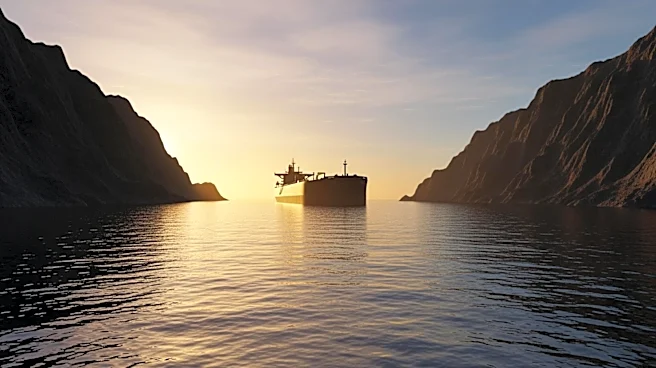
The US Treasury, under the Trump administration, has allowed a sanctions waiver to lapse, which previously permitted countries like India to purchase Russian seaborne oil. This decision follows a month-long extension intended to mitigate oil supply shortages
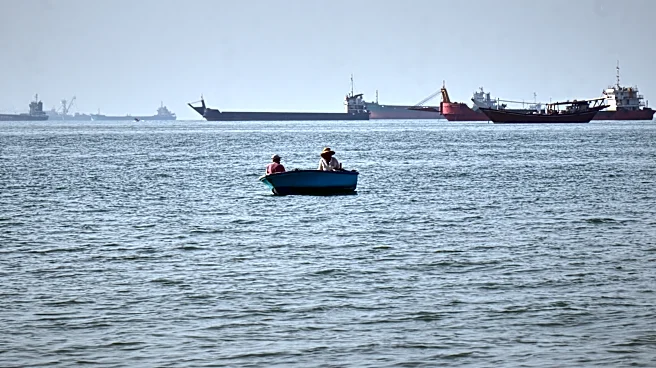
and high prices caused by Iran's closure of the Strait of Hormuz. US Treasury Secretary Scott Bessent had indicated that the general license for purchasing Russian oil stored on tankers would not be renewed. Despite the lapse, no official renewal notice was posted on the Treasury's website, and a spokesperson declined to comment further. Democratic Senators Jeanne Shaheen and Elizabeth Warren had urged against renewing the waiver, arguing it provided revenue to Russia for its war efforts in Ukraine without reducing fuel costs for American consumers.
Why It's Important?
The expiration of the sanctions waiver is significant as it impacts global oil markets and energy prices. The Trump administration's previous efforts to control energy prices, including loans from the Strategic Petroleum Reserve and a temporary waiver of the Jones Act, have not significantly reduced US gasoline prices, which remain high. The lapse of the waiver could further strain global oil supplies and maintain high prices, affecting both domestic and international markets. This decision also reflects the geopolitical tensions involving Russia and its economic interactions with countries like India and China, which could influence future diplomatic and trade relations.
What's Next?
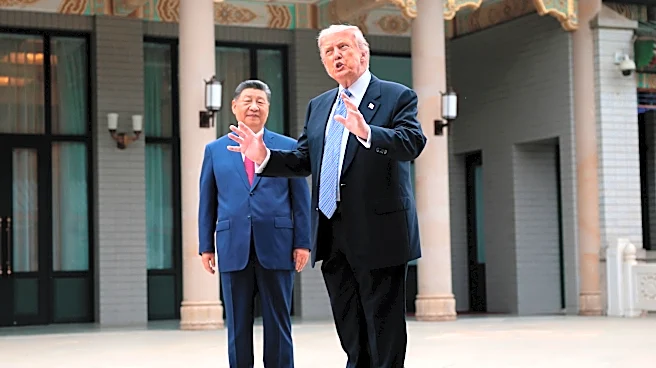
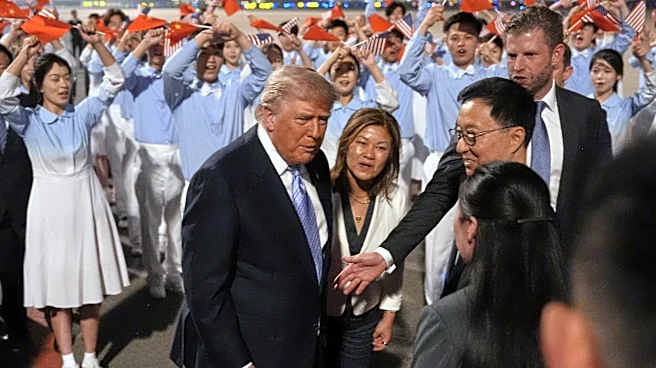
The lapse of the waiver may lead to increased scrutiny and potential policy adjustments by the US government to address the ongoing high energy prices. President Trump has indicated discussions with Chinese President Xi Jinping about possibly lifting sanctions on Chinese companies purchasing Iranian oil, which could alter the dynamics of international oil trade. Additionally, India's continued high levels of Russian oil purchases may prompt further diplomatic negotiations or economic strategies to balance energy needs with geopolitical considerations.