





What's Happening?
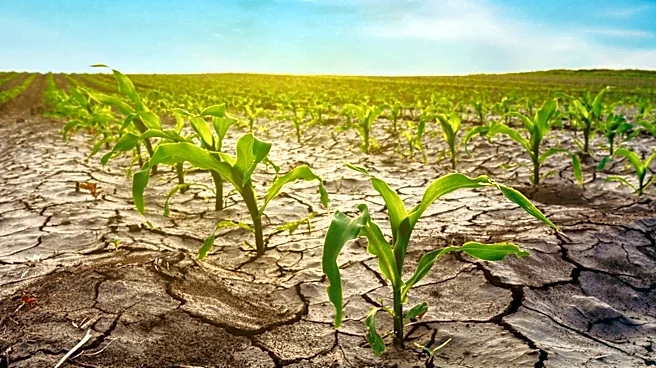
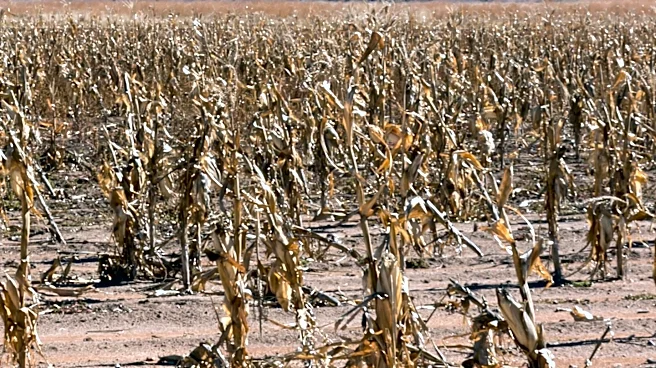
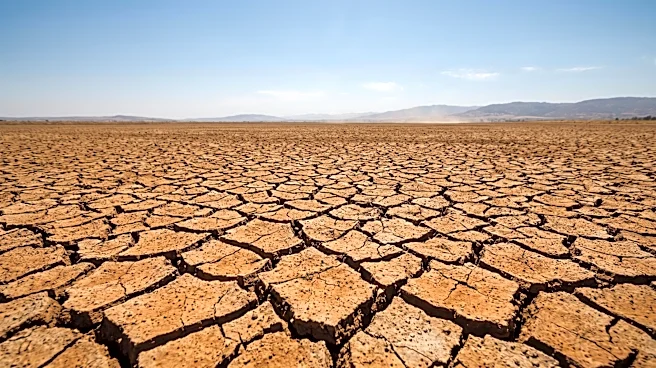
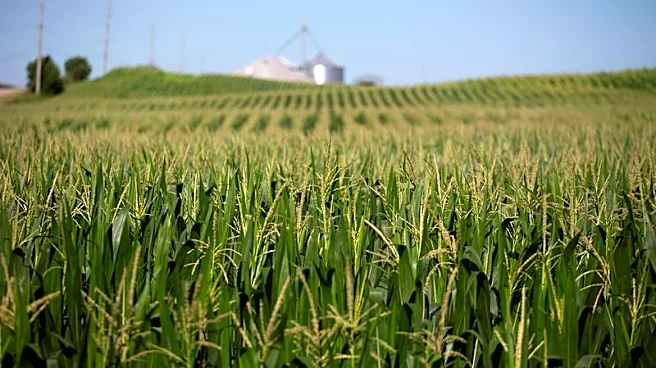
A new report by the Organisation for Economic Co-operation and Development (OECD) indicates that the global number of days with above-average temperatures has increased by 126% since the early 1980s. This rise in temperatures leads to drier soil, creating
instability for major agricultural producers and exporters. The report highlights potential consequences for global food security and supply chains. The OECD emphasizes that while climate change indicators were previously dismissed, they are now recognized as signals of rapid economic vulnerability. The organization stresses the importance of strengthening adaptation measures to mitigate economic disruption and protect vulnerable populations, particularly in regions most affected by rising temperatures, such as Latin America and the Middle East. Businesses and governments are already implementing strategies like diversifying transport options and strengthening supply chains to build resilience against drought-related disruptions, with drought severity projected to increase by 2100.
Why It's Important?
The increasing frequency of extreme heat and drought presents substantial risks to the U.S. economy and global stability. For the U.S., disruptions in global supply chains, particularly for agricultural products, could lead to increased food prices and reduced availability, impacting consumers and businesses. Agricultural sectors in the U.S. could face direct challenges from changing weather patterns, affecting crop yields and livestock. The report underscores the need for proactive adaptation strategies to safeguard economic stability. Industries reliant on stable supply chains, from manufacturing to retail, could experience increased costs and operational challenges. Furthermore, the protection of vulnerable populations, both domestically and internationally, becomes a critical humanitarian and economic concern, as climate-induced migration and instability can have far-reaching geopolitical and economic consequences. The findings suggest that without significant adaptation efforts, the economic costs associated with climate change will continue to escalate.
What's Next?
The OECD report implies a continued need for governments and businesses to invest in and implement robust climate adaptation strategies. This includes further diversification of agricultural practices, development of drought-resistant crops, and improvements in water management infrastructure. Policymakers may face increased pressure to allocate resources towards climate resilience initiatives and to foster international cooperation on climate adaptation. Businesses will likely continue to assess and fortify their supply chains against climate-related shocks, potentially leading to shifts in sourcing and production locations. Research and development into climate-resilient technologies and practices are expected to accelerate. The ongoing increase in drought severity projected by 2100 suggests that these efforts will need to be sustained and scaled up significantly to protect economies and populations from future climate impacts.
Beyond the Headlines
The long-term implications of increased heat and drought extend beyond immediate economic disruptions, touching upon fundamental societal structures and resource allocation. The report implicitly raises questions about the equitable distribution of climate adaptation resources, as vulnerable populations and regions often bear the brunt of climate impacts with fewer resources to adapt. This could exacerbate existing inequalities and lead to social unrest or increased migration pressures. Legally, there may be growing calls for stronger climate policies and regulations, potentially leading to new international agreements or domestic legislation aimed at mandating climate resilience measures. Culturally, there could be a shift in public perception and consumer behavior, with increased demand for sustainable products and practices. The continuous pressure on natural resources, particularly water, could also lead to geopolitical tensions and conflicts over shared resources, fundamentally altering international relations and cooperation frameworks.