
What's Happening?
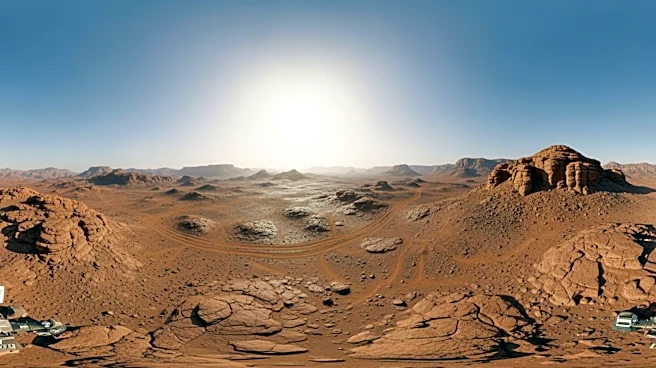
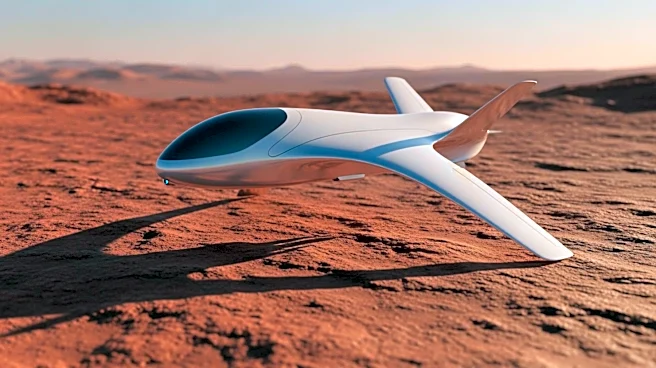
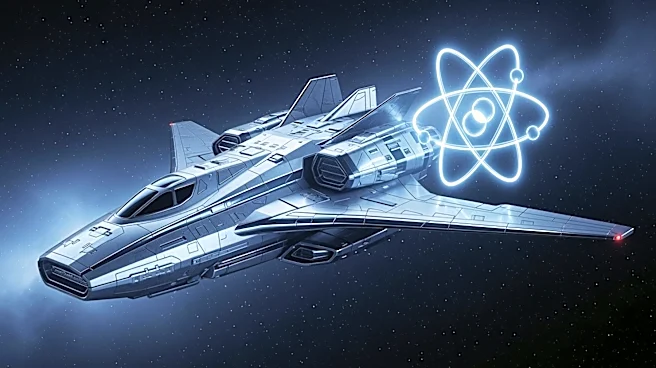
NASA is set to launch its first nuclear-powered spacecraft, Space Reactor-1 Freedom, to Mars by the end of 2028. This mission, named Skyfall, will carry three helicopters to explore potential human landing
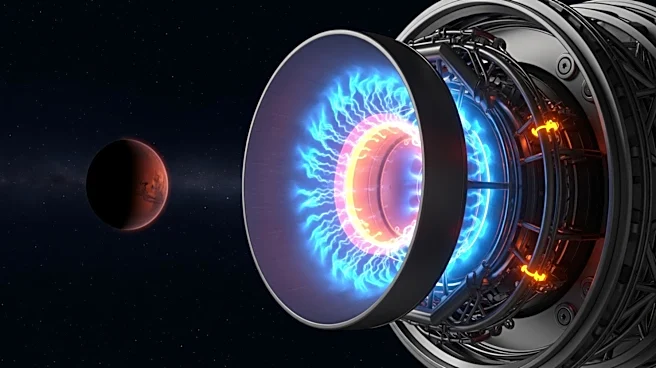
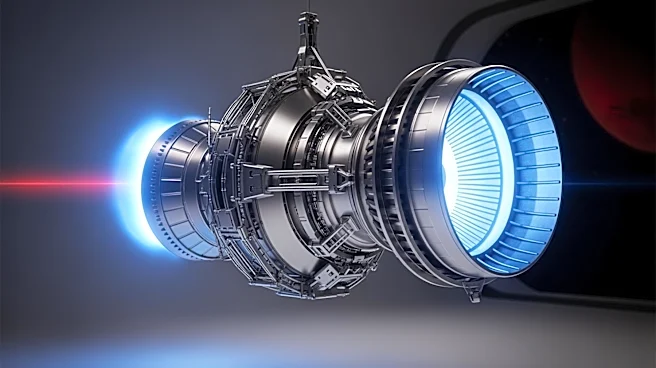
sites on Mars. The spacecraft's nuclear electric propulsion system, which generates electricity from a fission reactor, allows for efficient deep-space travel without relying on solar power. This mission is not just about reaching Mars; it aims to establish nuclear propulsion as a viable option for future space missions, setting regulatory and industrial precedents.
Why It's Important?
The introduction of nuclear electric propulsion could significantly enhance the capabilities of space missions, particularly those venturing beyond Mars where solar power is insufficient. This technology allows for heavier payloads and supports missions with higher power demands, potentially transforming how space exploration is conducted. By proving the feasibility of nuclear propulsion, NASA could pave the way for more ambitious missions, including long-duration human presence on Mars and exploration of the outer solar system.
What's Next?
Following the launch of Space Reactor-1 Freedom, NASA plans to continue its exploration efforts with a focus on establishing a permanent lunar base and expanding its Commercial Lunar Payload Services program. The success of the Skyfall mission could lead to more frequent and routine use of nuclear propulsion in space exploration, influencing future mission designs and international collaborations.
Beyond the Headlines
The shift towards nuclear propulsion in space travel raises important considerations regarding safety, regulatory frameworks, and international cooperation. As NASA moves forward with this technology, it will need to address potential environmental and geopolitical concerns, ensuring that the benefits of nuclear propulsion are realized responsibly and sustainably.