







What's Happening?
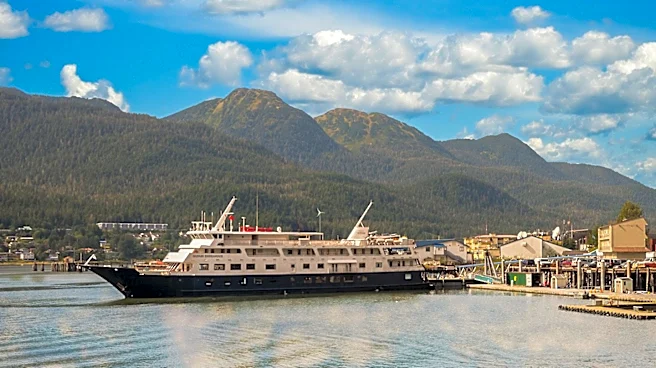
A legislative forum in Ketchikan, attended by five Southeast Alaska lawmakers, focused heavily on education funding and capital investments. The forum, part of the three-day Southeast Conference summit, saw legislators address questions from constituents
regarding the state's base student allocation (BSA), the per-student funding formula, and how to inflation-proof it. Representative Jeremy Bynum, representing Ketchikan, Metlakatla, Wrangell, and parts of Prince of Wales Island, emphasized the need for capital investments in schools and infrastructure to ensure community progress. Representative Rebecca Himschoot, co-chair of the House Education Committee, discussed the risks associated with inflation-proofing and highlighted a task force formed by House Bill 57 to make funding and school facility recommendations by January. Lawmakers also discussed a one-time funding package for school districts' energy costs, set to begin next fiscal year, which could free up funds from the BSA. Other topics included the state's retirement pension, the ferry system, mariculture, sick leave, and community revitalization.
Why It's Important?
The discussions at the Ketchikan legislative forum underscore critical issues facing Alaska's communities, particularly in education and infrastructure. Adequate and stable education funding is essential for the development of future generations and the overall health of the state's workforce. The debate over inflation-proofing the BSA highlights the long-term financial challenges in maintaining quality education amidst rising costs. Capital investments in schools and infrastructure are vital for community growth, retaining young people, and ensuring essential services. The focus on these issues reflects a broader concern among Alaskans about the state's economic future and the well-being of its residents. The legislative forum provides a crucial platform for constituents to engage directly with their representatives, influencing policy decisions that will have a direct impact on their daily lives and the future trajectory of their communities.
What's Next?
The education funding task force, established by House Bill 57, is expected to present its recommendations for funding and school facilities by the start of the next legislative session in January. These recommendations will likely form the basis for future legislative actions aimed at addressing the state's education funding challenges. Lawmakers will also need to consider how to implement the one-time funding package for school districts' energy costs, which is set to begin next fiscal year. The discussions at the forum indicate that education and capital investments will remain high priorities for the upcoming legislative session. Constituents and advocacy groups will continue to monitor legislative progress and engage with their representatives to ensure their concerns are addressed. The outcomes of these legislative efforts will significantly shape the future of education and infrastructure development in Alaska.
Beyond the Headlines
The legislative forum in Ketchikan reveals a deeper narrative about the challenges of governance in a vast and diverse state like Alaska. The emphasis on retaining young people and families through strong education and infrastructure points to concerns about demographic shifts and economic sustainability in rural and remote communities. The discussions about the state's retirement pension and the ferry system highlight the complex interplay of fiscal responsibility, public services, and the unique geographical challenges of Alaska. The forum also serves as a testament to the importance of local engagement in the democratic process, allowing citizens to voice their concerns directly to policymakers. The ongoing efforts to find sustainable solutions for education funding and capital investments reflect a broader societal commitment to investing in human capital and physical infrastructure as cornerstones of long-term prosperity and community resilience.