



What's Happening?
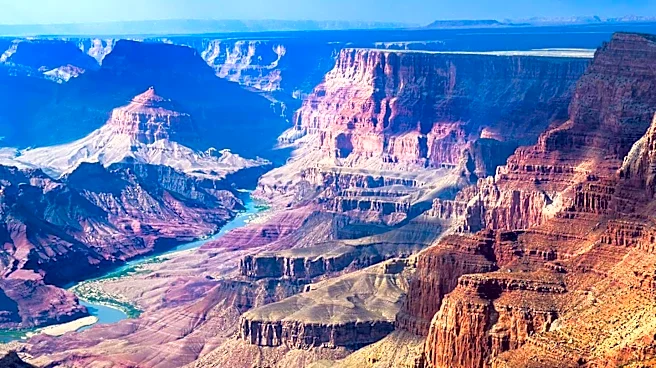
Rep. Eli Crane and Sen. Mark Kelly have spearheaded a bipartisan effort to reopen the North Kaibab Trail in the Grand Canyon, despite safety concerns raised by park staff and scientists. This push aimed to support regional businesses and allow for the return
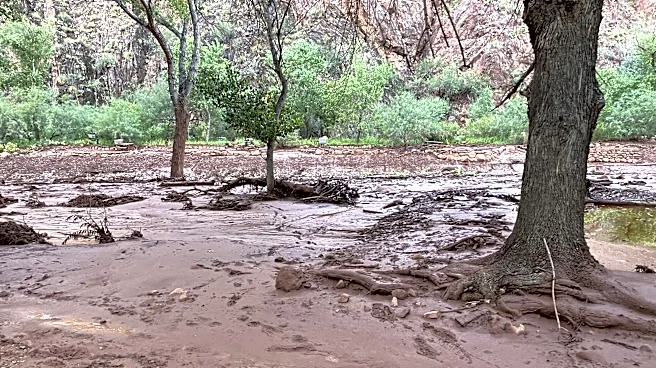
of rim-to-rim tourism traffic. The decision to open the trail was made despite internal debates within the National Park Service, where safety and science personnel advocated for its closure following the Dragon Bravo Fire last summer, which compromised the trail's stability and intensified flash flood risks. Ultimately, business interests and visitor desires, coupled with pressure from Washington and the Department of the Interior, led to the trail's reopening. However, recent flash floods in late August 2026 resulted in two fatalities and forced evacuations, highlighting the very dangers that park experts had warned against.
Why It's Important?
This situation underscores the complex tension between economic interests, political pressure, and public safety in the management of national parks. The bipartisan push to reopen the North Kaibab Trail, while intended to support local economies, potentially overlooked critical safety assessments from park experts. The subsequent fatalities and evacuations highlight the severe consequences of such decisions. This event raises questions about the influence of political and economic stakeholders on park management policies and the prioritization of visitor experience over expert safety recommendations. It also brings to light the broader issue of how national parks, often operating with budget constraints, balance conservation, visitor access, and safety in the face of environmental changes like wildfires and increased flood risks.
What's Next?
Following the recent flash floods, the North Kaibab Trail is currently closed for the remainder of the season. Assessments are underway to determine the extent of damage and the necessary rebuilding efforts to stabilize the trail, as the landscape has significantly changed due to the Dragon Bravo Fire. There will likely be renewed scrutiny on the decision-making process that led to the trail's reopening, potentially prompting investigations or policy reviews regarding how safety concerns are weighed against economic and political pressures in national park management. Stakeholders, including congressional representatives, local businesses, and environmental groups, will likely engage in discussions about future access to the trail and the implementation of more robust safety measures, including real-time warning systems for visitors.
Beyond the Headlines
The incident at the Grand Canyon reveals a deeper systemic challenge within national park management: the struggle to balance competing demands from various stakeholders. The pressure from Washington and congressional delegations to prioritize tourism and local business interests can override the scientific and safety expertise of park staff. This dynamic can lead to a 'normalization of risk,' where economic benefits are prioritized over potential hazards, especially in areas impacted by climate change-related events like wildfires and intensified monsoons. The long-term implications include potential erosion of trust in park management decisions, increased liability for the National Park Service, and a re-evaluation of how national treasures are managed to ensure both public access and safety in an era of increasing environmental volatility. It also highlights the need for greater autonomy for park scientists and safety personnel in decision-making processes.