




What's Happening?
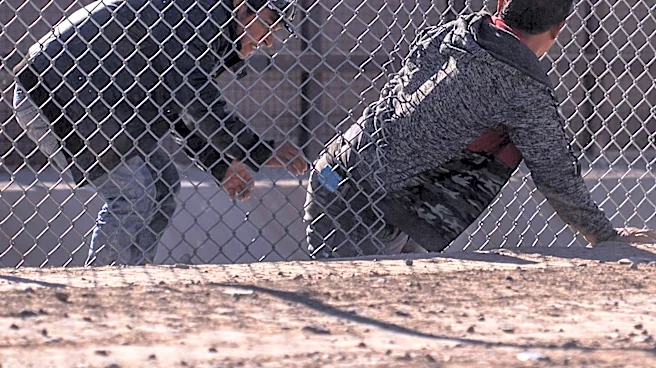
The recent decision to end Temporary Protected Status (TPS) for Haitians, Hondurans, and Salvadorans has left many in these communities facing an uncertain future. Pastor Lander Saintelus, who leads a church in New Bedford, Massachusetts, has witnessed
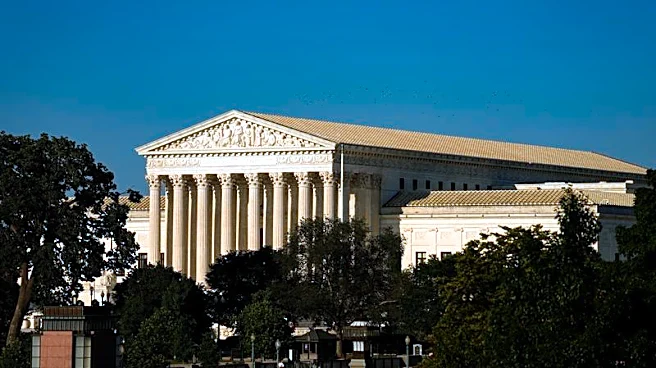
the impact firsthand, with many congregants losing jobs and fearing deportation. The Supreme Court's decision allows the Trump administration to proceed with ending TPS, potentially affecting thousands of individuals who have built lives in the U.S. over decades. The decision has sparked fear and anxiety among TPS holders, who now face the possibility of returning to countries still grappling with instability and violence.
Why It's Important?
The termination of TPS for these communities could have significant social and economic repercussions. Many TPS holders have been in the U.S. for years, contributing to the economy and society. Their potential deportation could disrupt families, communities, and industries that rely on their labor. The decision also underscores the broader debate over immigration policy and the balance between temporary protections and long-term solutions for individuals from crisis-stricken countries.
What's Next?
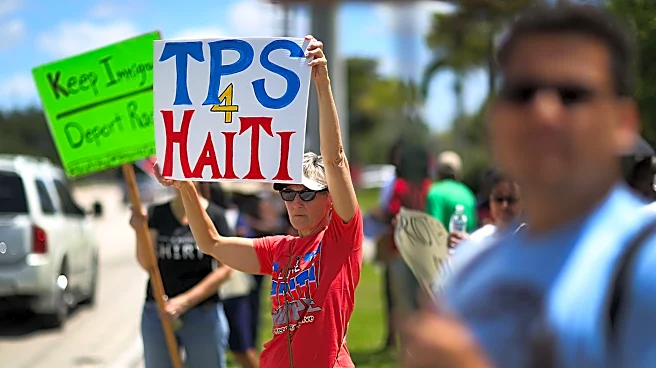
Advocates and community leaders are mobilizing to support TPS holders and push for legislative solutions that could provide a path to permanent residency. The outcome of these efforts will depend on political will and the ability to garner bipartisan support. In the meantime, affected individuals and families are preparing for the possibility of deportation, while community organizations work to provide assistance and advocacy.