



What's Happening?
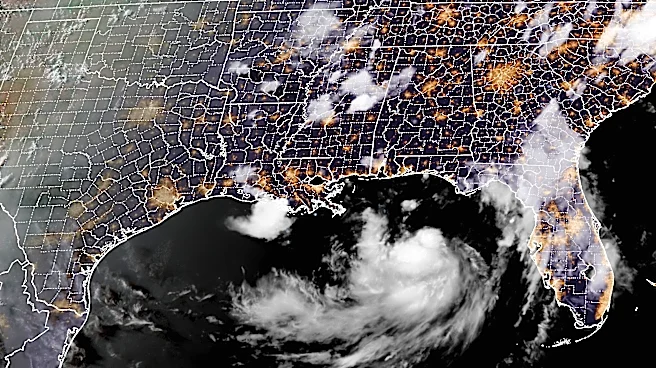
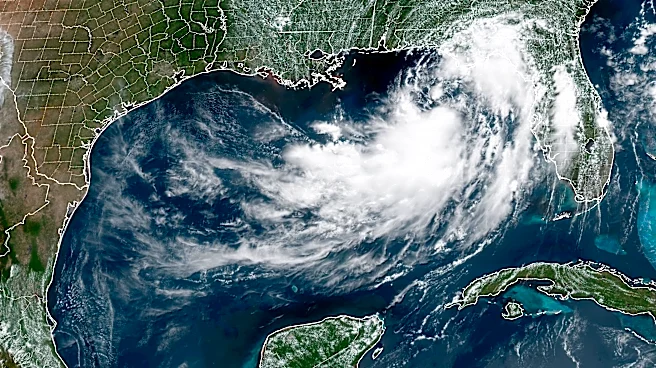
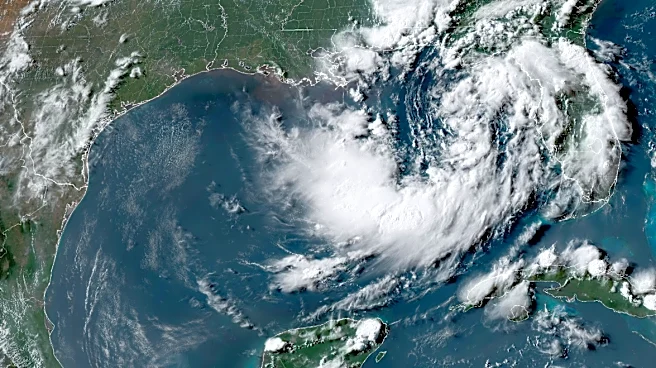
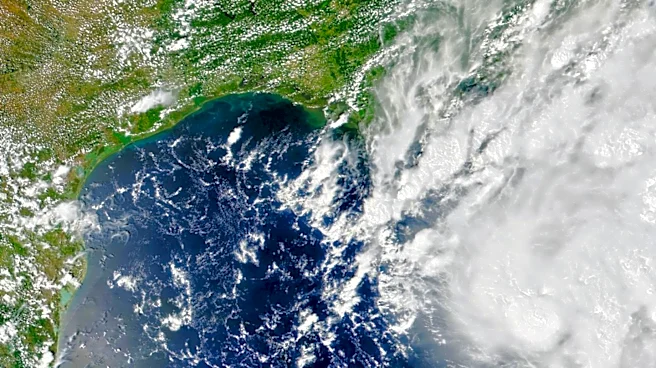
Tropical Storm Bertha made landfall in St. Bernard Parish, Louisiana, with maximum sustained winds of 45 mph. The storm is expected to continue losing strength as it moves toward Texas, where it will likely dissipate shortly after making its way to the
upper Texas coast by Thursday night. Tropical storm warnings are in effect from the Alabama-Florida border to Morgan City, including the New Orleans metro and Lake Pontchartrain, with storm surge and heavy rain also forecasted. The National Hurricane Center (NHC) has issued a coastal flood warning for Louisiana and Mississippi coastlines, predicting moderate coastal flooding. The storm is expected to bring widespread rainfall totals of one to four inches, with isolated areas receiving up to six inches, potentially causing flash flooding, particularly in urban areas.
Why It's Important?
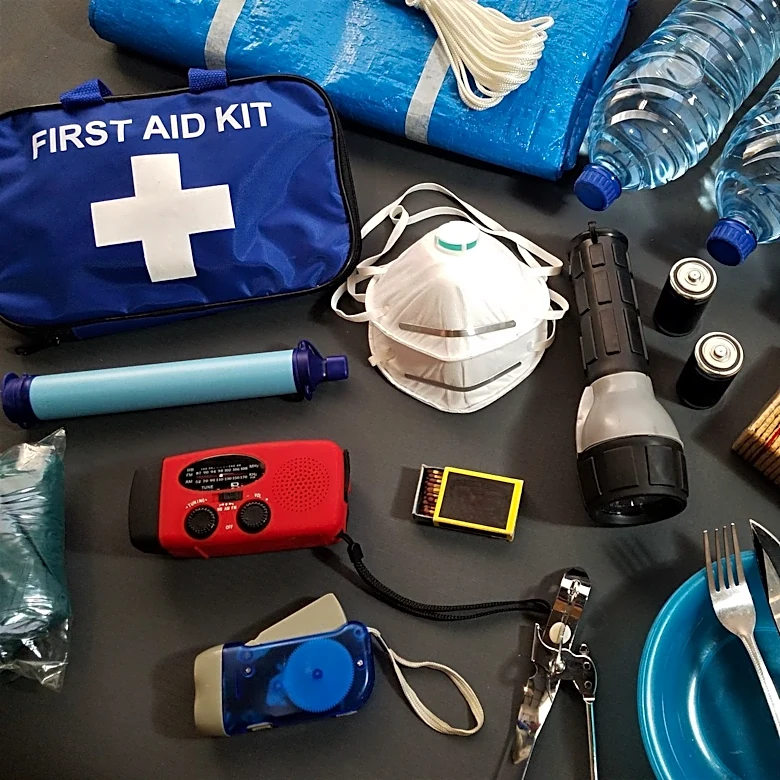
The impact of Tropical Storm Bertha is significant as it highlights the vulnerability of the Gulf Coast to tropical storms and the potential for severe weather conditions, including flooding and dangerous surf. The storm's progression underscores the importance of preparedness in coastal communities, especially given the unusually warm Gulf waters that can fuel stronger storms. The warnings and watches issued by the NHC serve as a critical reminder for residents to stay informed and take necessary precautions to protect life and property. The storm's effects could extend beyond the immediate area, with potential indirect impacts in the Mid-Atlantic and southeastern U.S. due to moisture being drawn northward.
What's Next?
As Bertha continues its westward path, residents along the Gulf Coast are advised to monitor updates from the NHC and local authorities. The storm is expected to maintain its intensity until reaching the upper Texas coast, where it will likely dissipate. However, the risk of flash flooding and coastal impacts remains, necessitating vigilance and preparedness. The NHC may issue additional watches or warnings for areas further west, and residents should be prepared for potential evacuations or other emergency measures. The broader hurricane season outlook suggests that despite a predicted lower number of storms, the potential for powerful storms remains due to warm ocean temperatures.