






What's Happening?
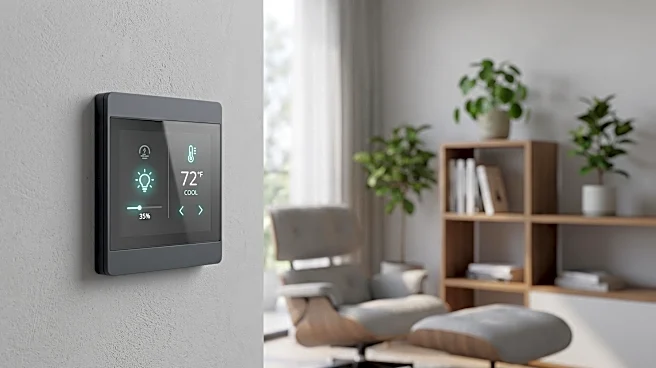
BSEED is emphasizing the role of its smart home control panels in simplifying whole-house automation projects for U.S. consumers. These panels serve as a central interface, translating complex technical setups into user-friendly controls for lighting,
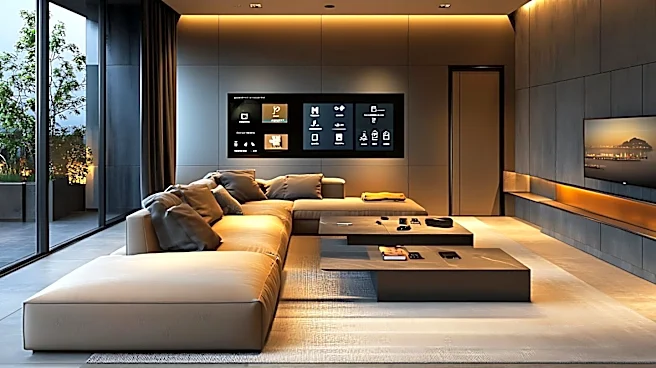
curtains, thermostats, and various smart devices. The company highlights that effective integration of these panels from the project's inception is crucial for organizing and presenting smart home functionalities in a way that homeowners can easily understand and manage. Rather than being an afterthought, the control panel is designed to be the primary point of interaction, offering intuitive scene controls for different areas of the home, such as 'Away,' 'Home,' 'Night,' or 'Movie' modes. This approach aims to prevent the panel from becoming a confusing 'device dump' and instead ensures it provides a clear, organized overview of the smart home system.
Why It's Important?
The strategic implementation of BSEED smart home control panels is significant for the U.S. smart home market, particularly for installers, dealers, and project buyers. By focusing on user-centric design and early planning, these panels address a critical challenge in home automation: making advanced technology accessible and understandable to everyday users. This approach can enhance customer satisfaction and reduce post-installation support calls, thereby improving the efficiency and reputation of smart home integrators. For consumers, a well-designed control panel means a more intuitive and less frustrating experience with their automated homes, potentially increasing adoption rates of comprehensive smart home systems. The emphasis on clear scene names and logical room mapping ensures that the technology serves the homeowner's lifestyle rather than requiring them to adapt to technical jargon, fostering broader acceptance and utility of smart home solutions across different demographics.
What's Next?
BSEED's continued focus on user-friendly control panels suggests a trend towards more integrated and intuitive smart home ecosystems in the U.S. market. Installers and dealers are likely to prioritize these types of solutions to differentiate their offerings and provide a superior customer experience. Future developments may include enhanced compatibility with various smart home protocols like Zigbee, WiFi, and Matter, ensuring seamless integration across a wider range of devices. The company's B2B approach indicates that it will continue to work closely with professional installers to ensure that control panels are not just screens but integral components of a well-planned smart home system. This could lead to more standardized installation practices and clearer communication between installers and homeowners regarding system capabilities and user interfaces.
Beyond the Headlines
The emphasis on user-friendly control panels by companies like BSEED reflects a broader shift in the smart home industry towards human-centered design. Beyond mere technological capability, the success of smart home adoption hinges on how easily and intuitively users can interact with these systems. This focus on the 'handover point' between technical setup and daily living highlights the ethical responsibility of technology providers to create solutions that empower users rather than overwhelm them. It also underscores a cultural shift where technology is expected to seamlessly integrate into daily routines without requiring specialized knowledge. As smart homes become more prevalent, the design of interfaces like BSEED's control panels will play a crucial role in shaping public perception and trust in home automation, moving it from a niche luxury to a mainstream convenience.