




What's Happening?
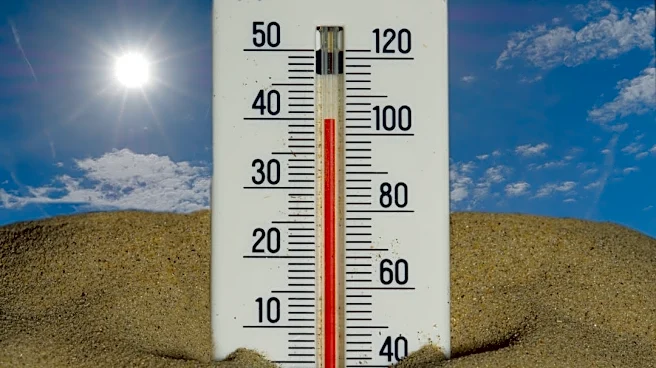
The UN Environment Programme (UNEP) has issued a warning that the world is projected to exceed the 1.5°C global warming threshold within the next few years. This projection indicates a temporary breach, meaning temperatures will likely rise above this
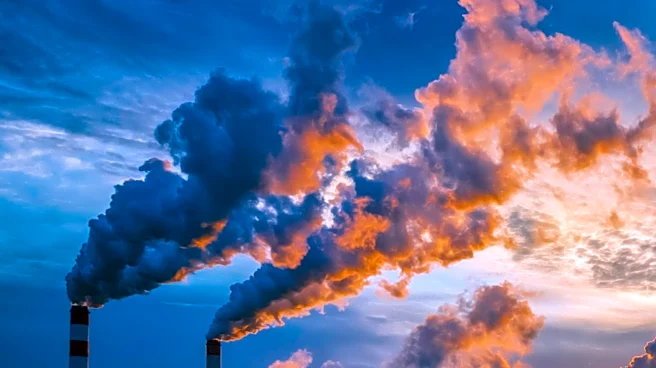
critical limit before potentially declining as greenhouse gas emissions are reduced. The UNEP report outlines a pathway described as 'overshoot, peak, and decline,' where global temperatures temporarily surpass 1.5°C. This scenario emphasizes the urgent need for immediate and coordinated global actions to mitigate further warming. The report suggests that implementing clean air and climate change initiatives could significantly reduce carbon dioxide emissions by 2050, cut methane emissions by 60%, and decrease major air pollutants by approximately 70%. Such measures could prevent about 0.34°C of global warming by 2050 and a more substantial 1.4°C by 2100.
Why It's Important?
The potential breach of the 1.5°C global warming threshold carries significant implications for the United States, impacting various sectors from agriculture to coastal communities. Exceeding this limit, even temporarily, could intensify extreme weather events, leading to increased frequency and severity of heatwaves, droughts, floods, and wildfires across the nation. This would strain infrastructure, disrupt supply chains, and pose substantial economic costs related to disaster recovery and adaptation. Industries reliant on stable climate conditions, such as farming and tourism, face heightened risks. Public health could also be affected by increased air pollution and heat-related illnesses. The UNEP's call for coordinated action underscores the necessity for U.S. policymakers and businesses to accelerate investments in renewable energy, sustainable practices, and climate resilience strategies to protect national interests and contribute to global efforts.
What's Next?
Following the UNEP's warning, the immediate focus will likely be on galvanizing international cooperation and accelerating national climate policies. Governments, including the U.S., are expected to face increased pressure to strengthen their commitments under the Paris Agreement and implement more ambitious emissions reduction targets. This could involve further investments in green technologies, stricter regulations on industrial emissions, and incentives for renewable energy adoption. Businesses may need to adapt their operations to comply with evolving environmental standards and mitigate climate-related risks. Public awareness campaigns and advocacy from civil society groups are also anticipated to intensify, pushing for greater accountability and faster action from leaders. The scientific community will continue to monitor global temperature trends and refine climate models, providing updated assessments to inform policy decisions.
Beyond the Headlines
The anticipated breach of the 1.5°C threshold highlights a deeper ethical and intergenerational challenge. It underscores the cumulative impact of historical emissions and the responsibility of current generations to address climate change for future inhabitants. This development could trigger a re-evaluation of global climate governance, potentially leading to new frameworks for international cooperation and burden- sharing. Legally, it may prompt increased litigation against governments and corporations for climate inaction or for contributing to environmental damage. Culturally, the continuous warnings about climate change could foster a greater sense of urgency and shift societal values towards more sustainable lifestyles and consumption patterns. The 'overshoot, peak, and decline' pathway also raises questions about the feasibility and ethical implications of geoengineering solutions, which might be considered if conventional mitigation efforts prove insufficient.