










What's Happening?
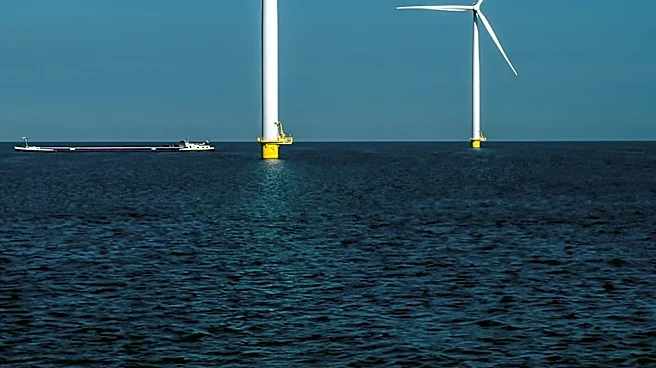
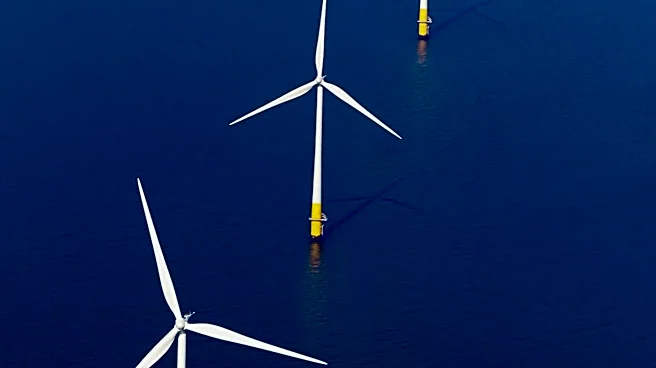
The Trump administration has allocated $2.7 billion to oppose wind power and $1.125 billion to support coal, according to critics. This financial commitment is part of a broader strategy to bolster fossil fuel industries, which have historically supported
President Trump's campaigns. The administration has struck deals with energy companies to cancel offshore wind projects, redirecting funds to fossil fuel investments. Critics argue that these actions increase energy costs for Americans and prioritize corporate interests over environmental and economic sustainability.
Why It's Important?
The administration's focus on fossil fuels over renewable energy has significant implications for U.S. energy policy and climate change efforts. By investing heavily in coal, the dirtiest fossil fuel, the administration risks undermining progress towards reducing carbon emissions and transitioning to cleaner energy sources. This approach could also affect the U.S.'s global standing in climate leadership and innovation in renewable technologies. The financial burden on taxpayers and potential increases in energy costs highlight the economic stakes involved in these policy decisions.
Beyond the Headlines
The administration's actions reflect broader ideological divides over energy policy and environmental priorities. The emphasis on fossil fuels aligns with a narrative of energy independence and economic growth, but it also raises ethical questions about environmental stewardship and intergenerational equity. The legal and political challenges to these policies may shape future energy strategies and the balance between economic development and environmental protection.