

What's Happening?
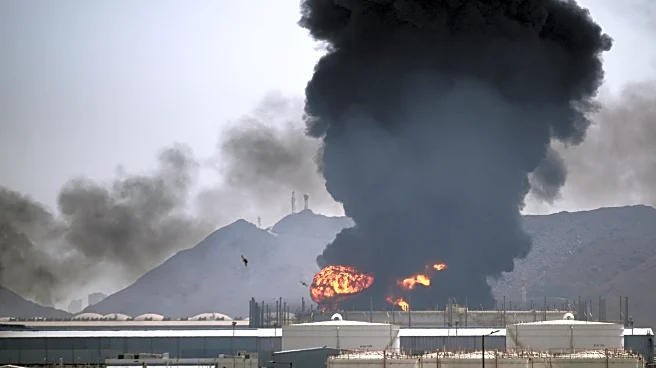
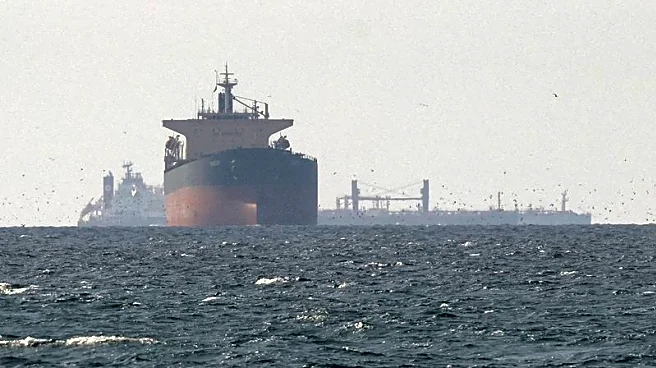
India's growing alignment with the U.S. and Israel is testing its longstanding relationship with Iran, especially as tensions rise over the Strait of Hormuz. Indian ships carrying liquefied petroleum gas have faced challenges securing safe passage through
the strait, a critical waterway for global oil transport. Despite recent transits, Indian Foreign Minister S. Jaishankar clarified that these do not represent a comprehensive agreement with Tehran. The situation is exacerbated by India's perceived tilt towards Washington and Tel Aviv, which is affecting its diplomatic leverage with Iran.
Why It's Important?
India's foreign policy shift towards the U.S. and Israel could have significant repercussions for its energy security. As the world's third-largest oil importer, India's reliance on stable energy supplies is crucial. The strained relations with Iran, a key energy partner, could lead to increased energy costs and supply disruptions. This shift also reflects broader geopolitical realignments, as India balances its traditional non-aligned stance with new strategic partnerships. The outcome of this diplomatic balancing act will impact India's economic stability and its role in regional geopolitics.
What's Next?
India may need to navigate its foreign policy carefully to maintain energy security while fostering new alliances. Diplomatic efforts to ease tensions with Iran could be crucial in securing stable energy supplies. Additionally, India's domestic political landscape may influence its foreign policy decisions, as opposition parties question the government's current stance. The international community will be watching how India manages its relationships with both Western allies and traditional partners like Iran.