

What's Happening?
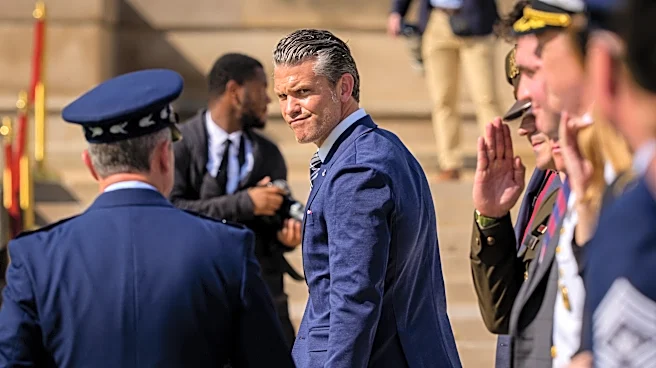
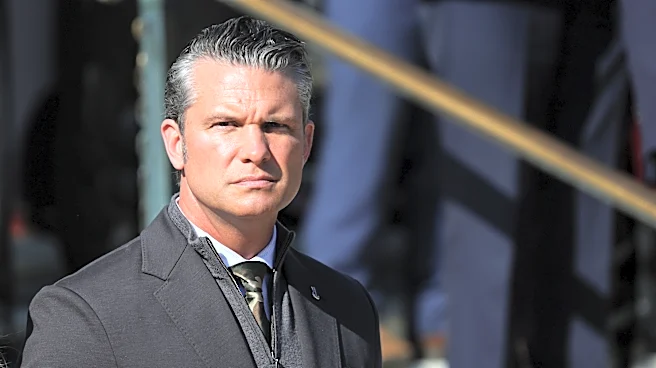
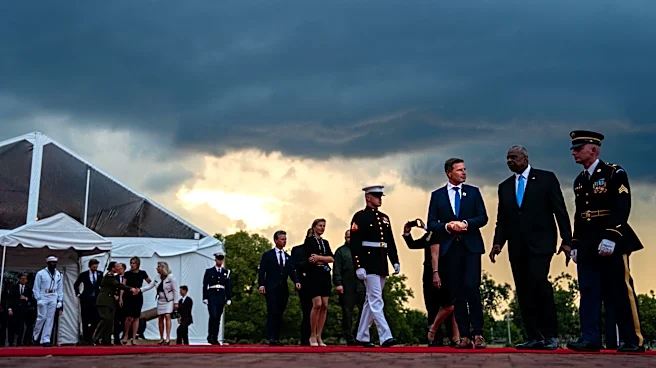
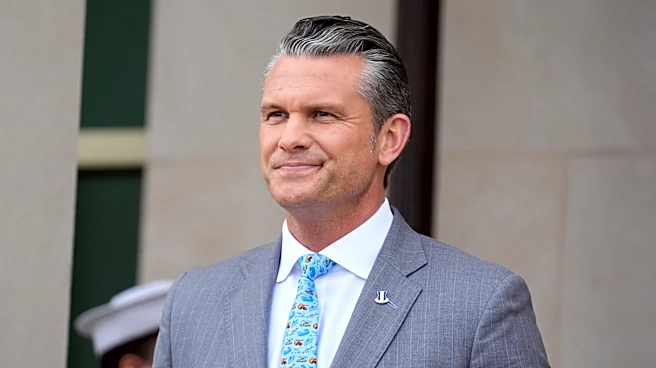
Defense Secretary Pete Hegseth, his wife Jennifer, and several top aides were reprimanded by an Army sentinel at the Tomb of the Unknown Soldier in Arlington National Cemetery on Veterans Day. The group was observed taking pictures, talking, and laughing,
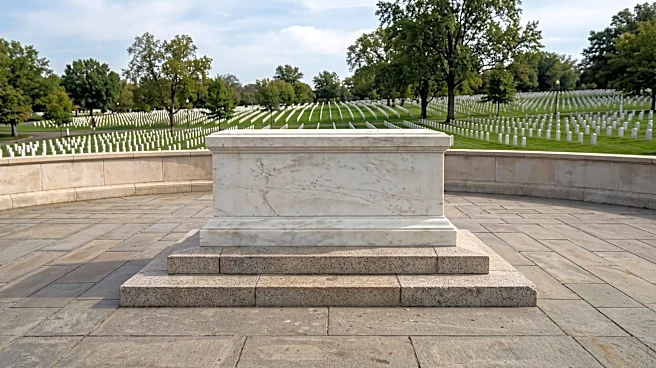
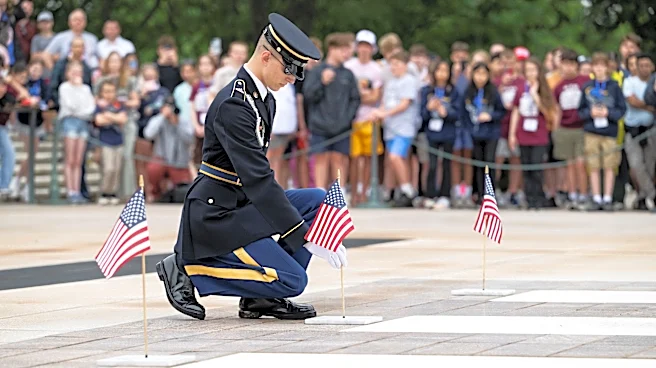
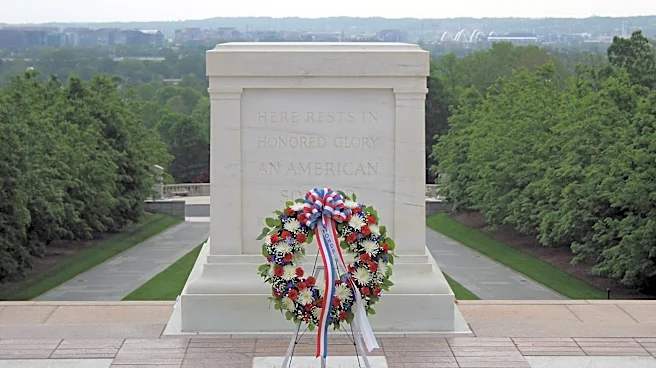
which prompted the sentinel to loudly instruct them to maintain an atmosphere of silence and respect. This incident occurred shortly after President Donald Trump had laid a wreath at the memorial as part of a Veterans Day ceremony. The Tomb of the Unknown Soldier is a sacred memorial dedicated to unidentified service members killed in battle, and it is guarded 24 hours a day by soldiers from the 3rd U.S. Infantry Regiment, known as the Old Guard. Chief Pentagon spokesperson Sean Parnell acknowledged the incident, stating that a soldier 'correctly and respectfully reminded everyone to maintain decorum' and that Hegseth and the department 'have always honored' service members' sacrifices. The event quickly garnered media attention, highlighting the strict protocols of respect observed at the memorial.
Why It's Important?
This incident is significant as it involves a high-ranking U.S. government official, the Defense Secretary, being publicly corrected for a breach of decorum at one of the nation's most revered military sites. The Tomb of the Unknown Soldier symbolizes the ultimate sacrifice of unidentified service members, and the strict observance of silence and respect there is a deeply ingrained tradition. The reprimand underscores the universal expectation of reverence at such memorials, regardless of an individual's position. For Secretary Hegseth, who has often emphasized military discipline and decorum in his public statements, the incident could be seen as undermining his own messaging. It also draws attention to the unwavering commitment of the Tomb Sentinels to uphold the sanctity of the memorial, demonstrating that rules of respect apply to everyone. The event could spark broader discussions about public conduct at national monuments and the standards expected of public officials.
What's Next?
While the immediate incident has concluded with the sentinel's reprimand and the Pentagon's statement, the event may have lingering implications. Media coverage and public discussion are likely to continue, potentially leading to further scrutiny of Secretary Hegseth's conduct and the administration's approach to military traditions. Given that this incident occurred just a day after a House vote to table impeachment proceedings against Hegseth, it could fuel ongoing political debates and criticisms from opposition parties regarding his leadership and judgment. There may be calls for a more formal acknowledgment or apology from Secretary Hegseth, though the Pentagon's statement has already addressed the matter. The incident could also prompt renewed public education efforts regarding appropriate behavior at national cemeteries and memorials, reinforcing the importance of respect for fallen service members.
Beyond the Headlines
Beyond the immediate news, this event touches upon deeper themes of respect, tradition, and accountability within public service. The Tomb of the Unknown Soldier represents a collective memory and a sacred trust, and any perceived disrespect can resonate deeply with veterans, military families, and the public. The sentinel's action highlights the enduring power of military tradition and the dedication of those who uphold it, even when confronting high-ranking officials. It also raises questions about the balance between personal conduct and public office, particularly in settings of national solemnity. The incident could serve as a reminder that symbols of national sacrifice demand a universal standard of reverence, transcending political affiliations or personal status. In a broader sense, it reflects on the cultural values placed on honoring military service and the expectations of decorum from those in leadership positions.