






What's Happening?
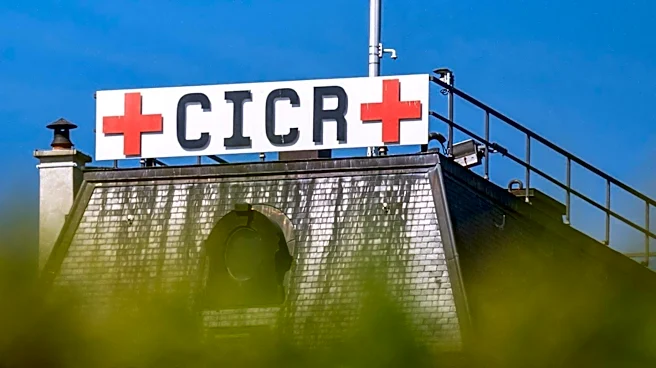
The International Committee of the Red Cross (ICRC) Director for Africa, Mamadou Sow, has defended the organization's neutral role in Mali following the medical evacuation of six wounded individuals. The transfer, from a health center in Kidal to Gao
Hospital, occurred four days prior to Sow's working visit to Bamako. While the Azawad Liberation Front (FLA) identified these individuals as wounded Malian soldiers held captive, the ICRC maintained its strict neutrality by not disclosing their identities or military status. This operation follows the reported release of 82 Malian soldiers, bringing the total number of personnel returned or transferred by armed groups to 88, according to FLA figures. Discussions in Bamako focused on humanitarian access, aiding conflict-affected populations, and maintaining dialogue among all parties. Malian Foreign Minister Abdoulaye Diop urged the ICRC to uphold its principles of neutrality and impartiality, while Sow cautioned against the politicization of humanitarian efforts and called for broader political commitment to international humanitarian law. The ICRC emphasized its role in logistical transfers with security guarantees, not political negotiations.
Why It's Important?
The ICRC's defense of its neutrality in Mali highlights the critical challenges faced by humanitarian organizations operating in complex conflict zones. Maintaining impartiality is fundamental to the ICRC's ability to access and assist all victims of armed conflict, regardless of their affiliation. Any perception of bias or involvement in political matters could jeopardize their operational effectiveness and the safety of their personnel. This situation underscores the delicate balance humanitarian groups must strike between providing essential aid and avoiding entanglement in political disputes. The incident also sheds light on the ongoing conflict in Mali, where armed groups like the Azawad Liberation Front are active, and the humanitarian consequences, including the capture and release of military personnel. The call for adherence to international humanitarian law by the ICRC is a reminder of the universal principles designed to protect civilians and those no longer participating in hostilities, even amidst intense conflict.
What's Next?
The ICRC will likely continue its efforts to maintain dialogue with all parties in the Malian conflict to ensure humanitarian access and the protection of civilians. Their emphasis on neutrality suggests a continued commitment to their mandate, which involves facilitating medical transfers and providing aid without taking sides. Future actions will probably focus on securing further guarantees for safe passage and operations, especially as the conflict continues to generate humanitarian needs. The organization will also need to navigate the political landscape carefully, reiterating its non-political stance to avoid any misinterpretations of its actions. The Malian government, in turn, will need to consider the ICRC's calls for adherence to international humanitarian law and ensure that humanitarian efforts are not obstructed or politicized, which could impact the well-being of its citizens affected by the conflict.
Beyond the Headlines
This event touches upon the broader ethical and operational dilemmas faced by humanitarian organizations globally. The ICRC's insistence on neutrality, even when dealing with sensitive transfers involving military personnel, reflects a core principle that allows them to operate in environments where other actors cannot. The politicization of humanitarian aid, as cautioned by Mamadou Sow, is a persistent threat that can undermine the effectiveness and legitimacy of aid efforts. In regions like Mali, where multiple armed groups and state actors are involved, the ability of organizations like the ICRC to remain perceived as impartial is crucial for their continued access and impact. This incident also highlights the ongoing struggle to uphold international humanitarian law in modern conflicts, where lines between combatants and non-combatants can blur, and the principles of protection and humane treatment are constantly tested. The long-term implications involve the potential erosion of humanitarian space if neutrality is compromised, making it harder to reach those most in need.