






What's Happening?
The recent U.S.-Israel conflict has severely impacted Iran's economy, with significant damage to its labor market. According to Hadi Kahalzadeh, a former economist at Iran's Social Security Organization, the conflict has led to the destruction of over
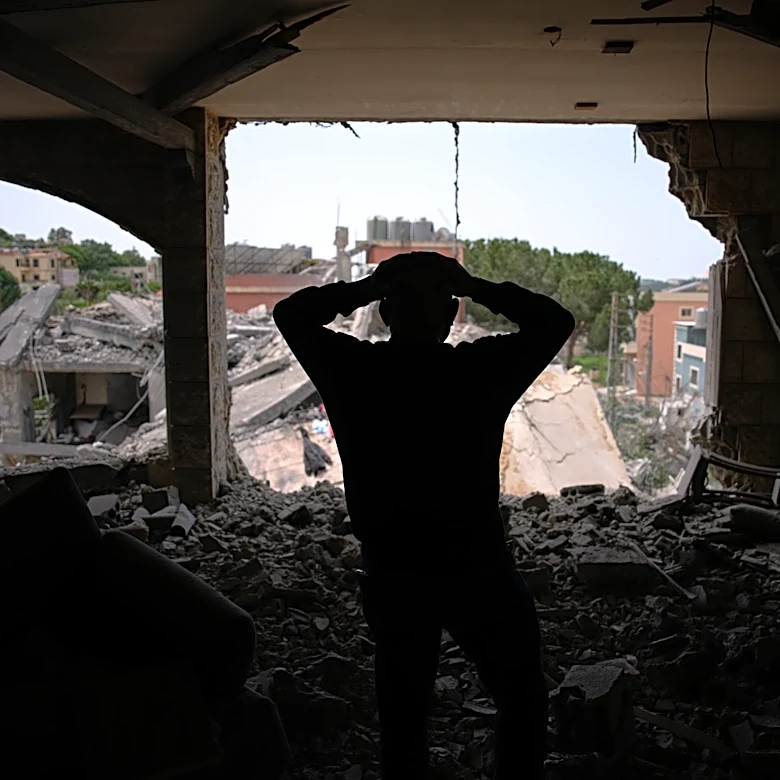
125,000 residential and civilian buildings and more than 20,000 industrial units. The strikes have targeted key sectors such as steel, construction, petrochemicals, pharmaceuticals, and retail, which are crucial to Iran's labor market. The damage to ports and transportation systems has further disrupted supply chains and commercial services. Kahalzadeh estimates that 10 to 12 million jobs, or about 50% of Iran's workforce, are now at risk, with potential furloughs or layoffs looming.
Why It's Important?
The economic fallout from the conflict poses a significant threat to Iran's already fragile economy. With inflation at 72% in March and a collapsing currency, the Iranian government faces a cash crunch that could hinder its ability to pay workers. The U.S. naval blockade exacerbates the situation, potentially leading to hyperinflation. The loss of jobs could result in a 15% contraction in Iran's labor market, stretching the social safety net to its limits. This situation highlights the broader geopolitical tensions and their impact on regional stability and economic conditions.
What's Next?
While a cease-fire is currently in place, the long-term economic recovery for Iran remains uncertain. The U.S. and Israel continue to target Iran's defense industrial base, and the naval blockade persists. The Iranian government will need to address the economic challenges and support its workforce to prevent further deterioration. International diplomatic efforts may be necessary to stabilize the region and mitigate the economic impact on Iran.
Beyond the Headlines
The conflict underscores the complex interplay between military actions and economic consequences. The targeting of Iran's labor market highlights a strategic approach to weaken the country's economic foundations. This situation raises ethical questions about the impact of military strategies on civilian populations and the long-term implications for regional peace and security.