
What's Happening?
Washington State University (WSU) Extension, in collaboration with the state Department of Natural Resources (DNR) and the USDA, is organizing a seminar in Dayton focused on forest health and maintenance.
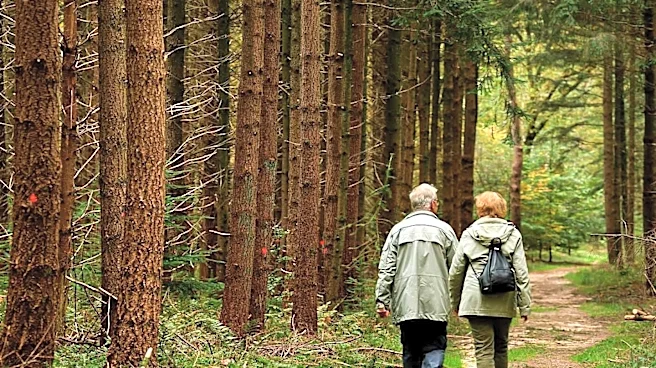
The event, scheduled for Saturday, aims to equip private woodlot owners, forest landowners, and professionals with the necessary tools to improve overall forest health in Eastern Washington. WSU Extension Forester Andy Perleberg noted that forests in the region are generally in poor health. The workshop will help participants identify forest health conditions, recognize insects, pests, diseases, and abiotic factors like wildfire and drought that impact the sustainability of lowland family forests. The goal is to enable landowners to make informed decisions that enhance forest resilience and long-term sustainability, ensuring the continued benefits of forested watersheds such as clean drinking water and wildlife habitat.
Why It's Important?
The seminar addresses a critical environmental issue in Eastern Washington: the declining health of its forests. Healthy forests are vital for ecological balance, providing essential resources like clean water and wildlife habitats, and supporting recreational activities. By educating private landowners and professionals, the initiative aims to foster proactive management practices that can mitigate risks such as wildfires and insect outbreaks, which have significant economic and environmental consequences. The long-term sustainability of these forests directly impacts regional ecosystems and the quality of life for residents. Empowering landowners with knowledge and tools can lead to more resilient forests, reducing the burden on public resources for disaster response and restoration efforts, and safeguarding natural capital for future generations.
What's Next?
The seminar is open to the public, with attendance limited to the first 30 registrants. The early registration deadline is Thursday, November 12th, with a fee of $10 per person or $20 per family. Participants are advised to bring their own lunch. Following the seminar, attendees are expected to apply the knowledge gained to their own properties, leading to improved forest management practices across Eastern Washington. WSU Extension and its partners will likely continue to offer similar educational programs and resources to support forest health initiatives. The success of this seminar could also inform future policy decisions regarding forest management and conservation efforts in the state, potentially leading to broader community engagement and collaborative projects to address regional forest health challenges.
Beyond the Headlines
The seminar highlights a broader trend of increasing awareness and concern for environmental stewardship among private landowners. As climate change and other environmental pressures intensify, the role of individual land managers in maintaining ecological health becomes more critical. This initiative also underscores the importance of collaborative efforts between academic institutions (WSU), state agencies (DNR), and federal bodies (USDA) in addressing complex environmental issues. The focus on 'lowland family forests' suggests an emphasis on accessible, practical solutions for everyday landowners, bridging the gap between scientific research and on-the-ground application. This approach can foster a sense of shared responsibility for environmental health, moving beyond regulatory compliance to voluntary, informed action that benefits both private property and the wider public good.