
What's Happening?
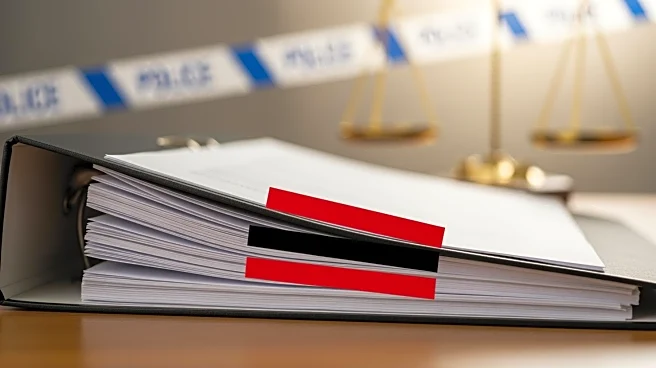
The Department of Justice (DOJ) is under scrutiny for its decision to redact certain information in the recently released Epstein files. Some victims and lawmakers have expressed concerns about these redactions,
arguing that they may obscure important details related to the case. The DOJ, however, maintains that the redactions are necessary to protect the identities and privacy of the victims involved. This development comes as part of the ongoing legal and public interest in the Epstein case, which has been a focal point of controversy and speculation due to its high-profile connections and the nature of the crimes involved.
Why It's Important?
The redactions in the Epstein files are significant as they highlight the tension between transparency and privacy in high-profile legal cases. For victims, the redactions may feel like a barrier to justice and full disclosure, potentially hindering their ability to seek closure. For the public and lawmakers, the lack of transparency can fuel distrust in the legal process and government institutions. The DOJ's actions could set a precedent for how sensitive information is handled in future cases, impacting public policy on privacy and transparency. This situation underscores the delicate balance that must be maintained between protecting individuals' rights and ensuring public accountability.
What's Next?
As the debate over the redactions continues, it is likely that there will be calls for further review or potential legal challenges to the DOJ's decision. Lawmakers may push for more transparency, possibly leading to hearings or legislative proposals aimed at addressing how sensitive information is managed in legal documents. Victims and advocacy groups might also seek additional legal avenues to challenge the redactions. The outcome of these discussions could influence future DOJ policies and practices regarding the handling of sensitive information in high-profile cases.