



What's Happening?
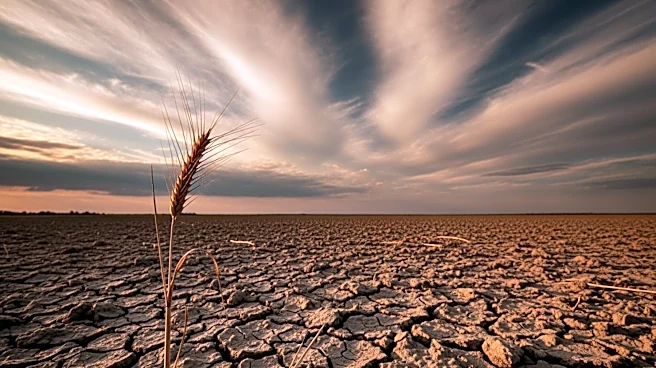
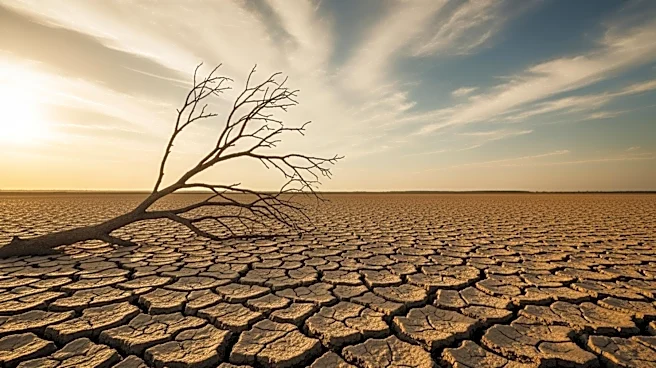
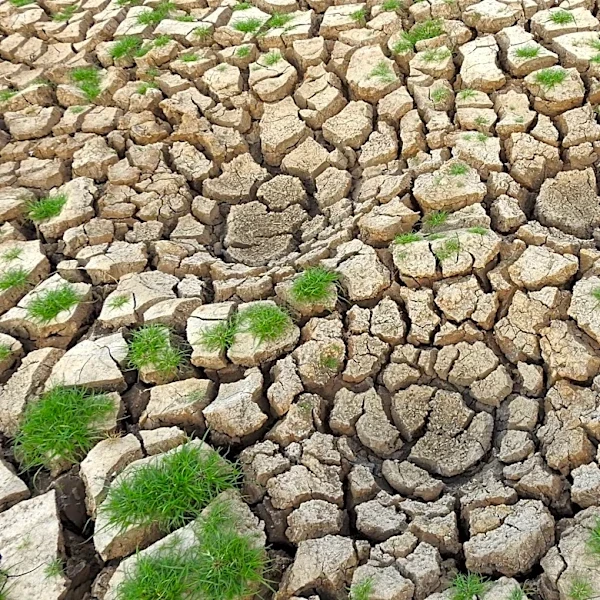
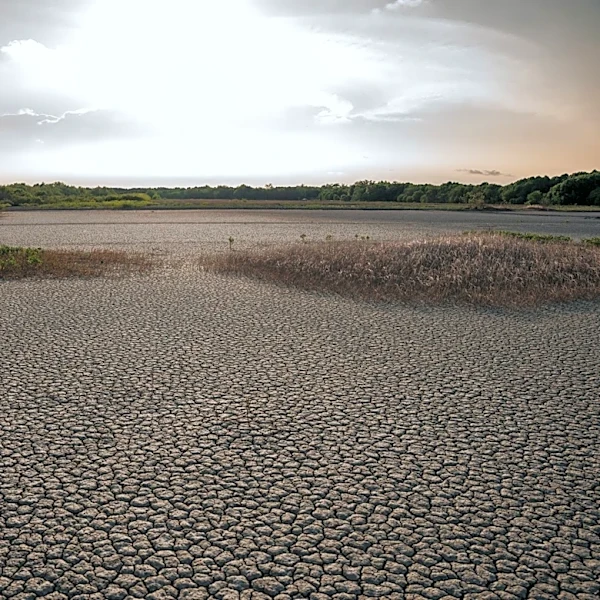
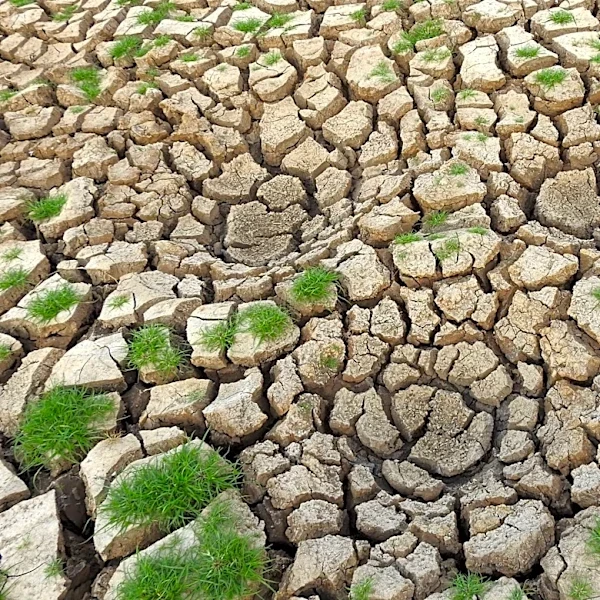
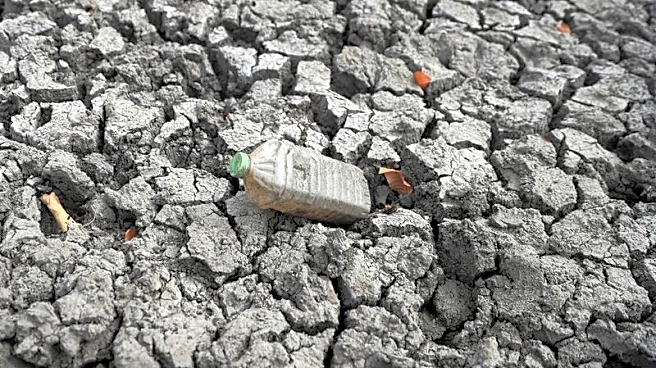
Augusta and the broader region of Georgia continue to experience severe drought conditions despite recent storms. The drought has significantly impacted Richmond County, with 100% of the area affected. Rising temperatures and increased evaporation rates
are exacerbating the situation, leading to concerns about water availability and agricultural productivity. The ongoing drought is part of a larger pattern of extreme weather conditions affecting the southeastern United States, with implications for local ecosystems and water management strategies.
Why It's Important?
The persistent drought in Georgia highlights the vulnerability of the region to climate-related challenges, particularly in terms of water resources and agricultural output. This situation poses significant risks to local farmers, who rely on consistent rainfall for crop production, and to communities dependent on stable water supplies. The drought also underscores the need for effective water management policies and infrastructure improvements to mitigate the impacts of prolonged dry periods. As climate change continues to influence weather patterns, regions like Georgia may face increasing pressure to adapt to more frequent and severe droughts.
What's Next?
In response to the ongoing drought, local authorities and policymakers may need to implement water conservation measures and explore alternative water sources to ensure sustainability. Agricultural stakeholders might consider adopting drought-resistant crops and innovative farming techniques to cope with reduced water availability. Additionally, the situation calls for increased investment in climate resilience initiatives to better prepare for future weather extremes. Monitoring weather forecasts and climate models will be crucial in anticipating and managing the impacts of continued drought conditions.