
What's Happening?
Indoor air pollution is a growing concern, especially during winter months when ventilation is limited. Experts highlight that common household items such as gas stoves, HVAC systems, cleaning supplies,
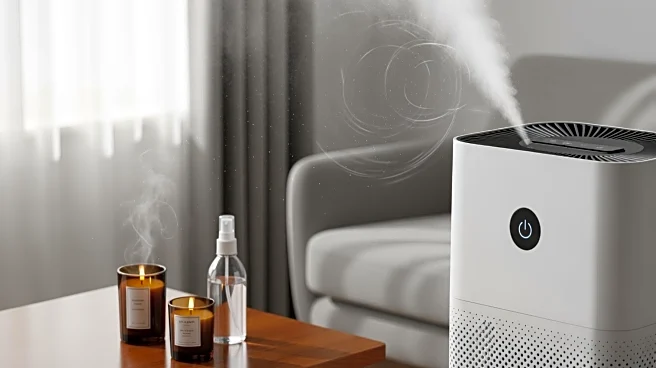
wet appliances, candles, and air fresheners contribute significantly to indoor air pollution. Michael Rubino, founder of HomeCleanse, emphasizes that indoor air can be more polluted than outdoor air, leading to health issues like allergies and asthma. Gas stoves, in particular, are a major source of particulate matter, while HVAC systems can circulate mold and dust if not properly maintained. Cleaning supplies often contain volatile organic compounds (VOCs) that degrade air quality. Additionally, wet appliances like ice machines and refrigerator water spouts can harbor mold, further polluting indoor air.
Why It's Important?
The quality of indoor air has direct implications for public health, affecting millions of Americans who spend significant time indoors. Poor air quality can exacerbate respiratory conditions and lead to chronic health issues. The economic impact is also notable, as healthcare costs rise with increased respiratory ailments. Furthermore, the push for energy-efficient buildings has inadvertently reduced natural ventilation, trapping pollutants indoors. This situation underscores the need for better awareness and proactive measures to improve indoor air quality, such as regular maintenance of HVAC systems and the use of air purifiers.
What's Next?
Homeowners and renters are encouraged to take steps to mitigate indoor air pollution. This includes using air purifiers, opting for low-VOC cleaning products, and ensuring proper ventilation. Regular maintenance of HVAC systems and appliances is crucial to prevent the buildup of pollutants. As awareness grows, there may be increased demand for products and technologies that enhance indoor air quality. Policymakers might also consider regulations to address indoor air pollution, similar to those for outdoor air quality.
Beyond the Headlines
The issue of indoor air pollution also raises questions about environmental justice, as low-income households may lack the resources to address these problems effectively. Additionally, the reliance on fragranced products and candles for air freshening highlights cultural preferences that may need to shift towards healthier alternatives. Long-term, there could be a cultural shift towards more natural and less chemically-dependent methods of maintaining indoor environments.