




What's Happening?
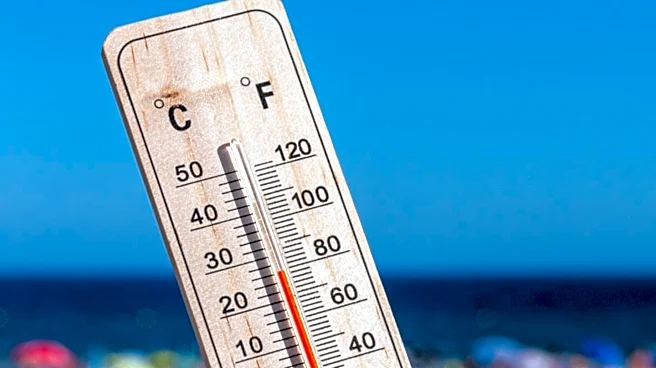
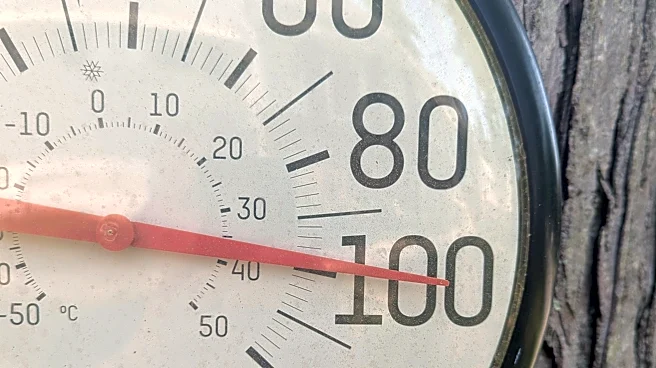
A heat advisory remains in effect for portions of southern Illinois, southwest Indiana, western Kentucky, and southeast Missouri, with heat index values expected to reach between 100 to 107 degrees. This marks the seventh consecutive day of extreme heat in the region.
The advisory is set to last until 8 PM CDT / 9 PM EDT this evening. The National Weather Service warns that the combination of high temperatures and humidity could lead to heat-related illnesses. Residents are advised to stay hydrated, remain in air-conditioned environments, and avoid strenuous activities during peak heat hours. The Occupational Safety and Health Administration (OSHA) recommends frequent rest breaks in shaded or air-conditioned areas for those working outdoors.
Why It's Important?
The prolonged heat wave poses significant health risks, particularly for vulnerable populations such as the elderly, children, and those with pre-existing health conditions. Heat-related illnesses, including heat exhaustion and heat stroke, can be life-threatening if not addressed promptly. The advisory highlights the need for community awareness and preparedness to mitigate the impact of extreme weather conditions. Additionally, the heat wave can strain local resources, including emergency services and healthcare facilities, as they respond to increased incidents of heat-related emergencies. The situation underscores the importance of public health advisories and the role of local authorities in ensuring community safety during extreme weather events.
What's Next?
As the heat advisory continues, local authorities and health officials are likely to monitor the situation closely and provide updates as necessary. Residents are encouraged to stay informed through local news and weather updates. Community centers and cooling stations may be opened to provide relief for those without access to air conditioning. The ongoing heat wave may prompt discussions on long-term strategies to address extreme weather patterns, including infrastructure improvements and public health initiatives. The situation also highlights the potential need for increased funding and resources for emergency response and public health preparedness.