






What's Happening?
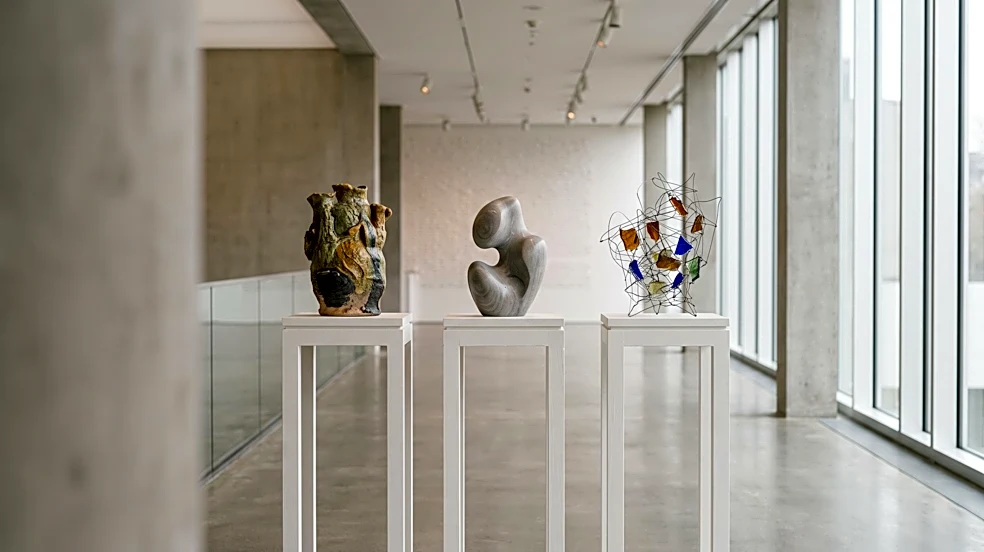
The Syracuse University Art Museum is currently hosting 'Possible Worlds,' an exhibition that highlights the works of 11 artists living with disabilities. The exhibition, curated by Syracuse University graduate Daniel Fuller, presents a diverse collection
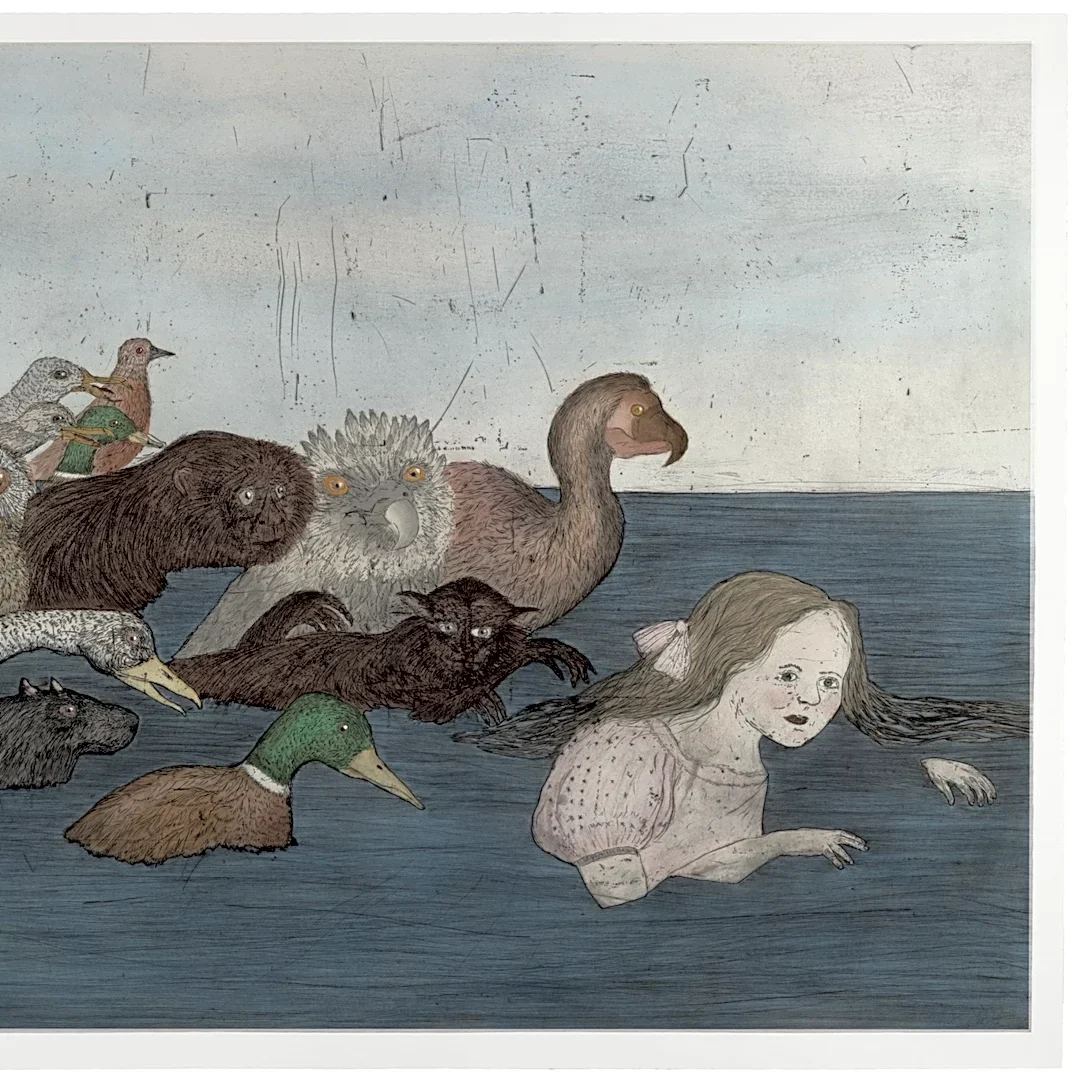
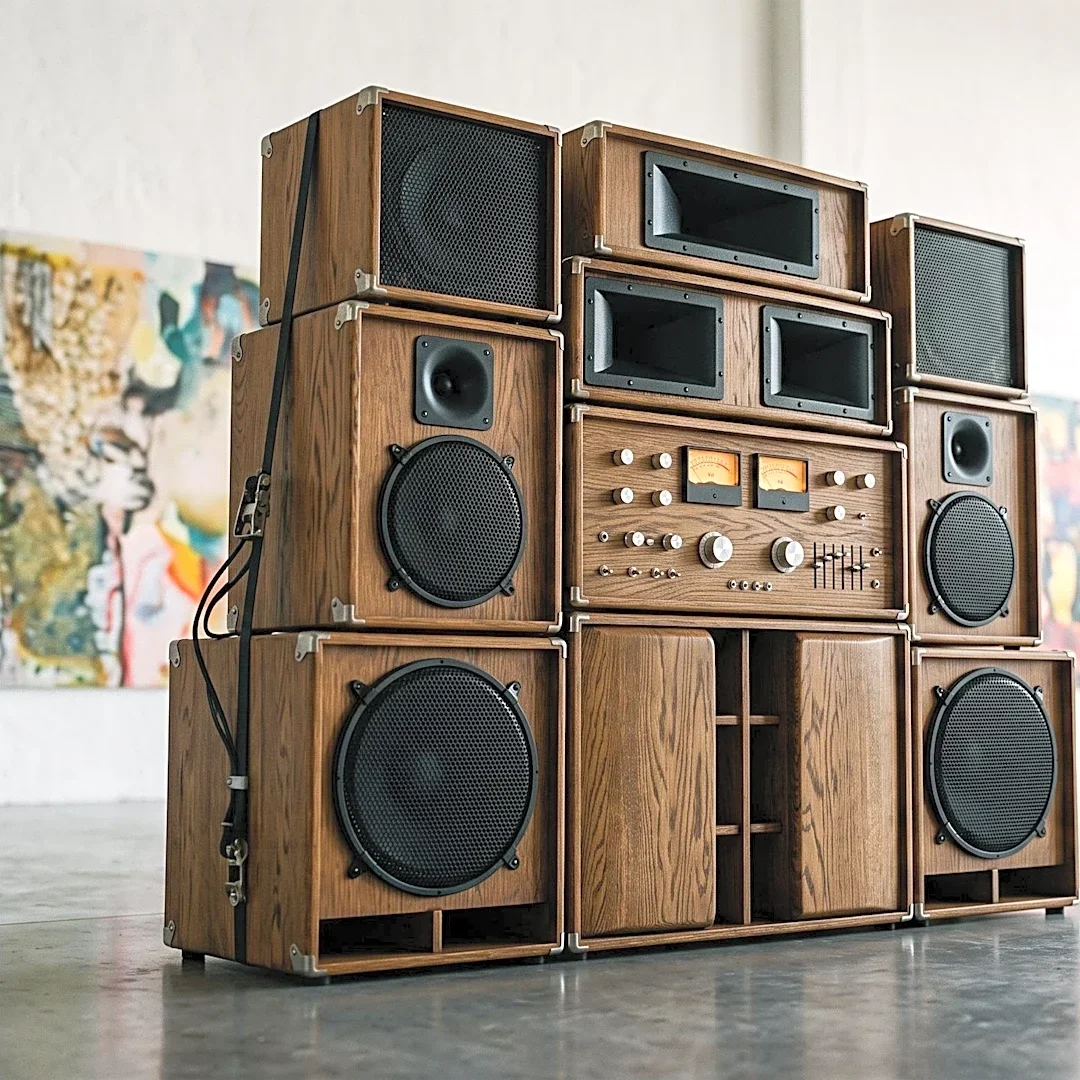
of art including acrylics, small-scale sculptures, drawings, and other media. The featured artists include William Scott, who creates acrylics asking viewers to 'Praise Frisco' and depicting a three-tiered ark with smiling people. Reverend Joyce McDonald, a 'spiritual nurse,' contributes small sculptures exploring family strength and serenity, alongside a piece referencing Ahmaud Arbery. Peter Williams' artwork, 'The Lies We Must Live With,' uses oil, enamel, and pencil to explore contradictions with text citing slurs and imagery of comfort and sorrow. Beverly Baker works with ballpoint pen on paper, creating abstract pieces by repeatedly writing words. Em Kettner's 'The Gatekeeper' delves into furniture, architecture, and social boundaries, while Joseph Grigely, who is deaf, repositions photographs of musicians to explore visual reception of music in silence. Courttney Cooper creates detailed, large maps of Cincinnati neighborhoods from memory. The exhibition aims to showcase artistic diversity and the unique perspectives of these artists.
Why It's Important?
This exhibition is significant as it challenges conventional perceptions of art and disability, promoting inclusivity and diverse artistic voices within the U.S. art scene. By featuring artists with disabilities, 'Possible Worlds' underscores the idea that artistic expression is not limited by physical or cognitive challenges, but rather can be enriched by unique life experiences. The exhibition provides a platform for these artists to present their work on their own terms, fostering a more equitable and representative art world. It also serves as an educational tool, encouraging viewers to consider different perspectives and engage with art that might otherwise be overlooked. The inclusion of works addressing social issues, such as William Scott's focus on peace in San Francisco despite gentrification, and Reverend Joyce McDonald's piece on Ahmaud Arbery, demonstrates how art can be a powerful medium for social commentary and advocacy. Furthermore, the exhibition honors the legacy of Wynn Newhouse, who dedicated his efforts to expanding opportunities for artists with disabilities, highlighting the ongoing need for such initiatives.
What's Next?
The 'Possible Worlds' exhibition will remain on display at the Syracuse University Art Museum until May 9, 2026. During this period, the public has the opportunity to visit the museum, which is open Tuesday, Wednesday, Friday, Saturday, and Sunday from 10 a.m. to 4 p.m., and on Thursdays from 10 a.m. to 8 p.m. Admission is free. The exhibition's presence is likely to continue generating discussions around disability in art, potentially inspiring other institutions to host similar inclusive showcases. The exposure gained by the featured artists could lead to further opportunities for their work to be recognized and exhibited nationally. The ongoing dialogue initiated by such exhibitions contributes to a broader cultural shift towards greater acceptance and appreciation of diverse artistic talents, potentially influencing future curatorial practices and funding for artists with disabilities.
Beyond the Headlines
Beyond its immediate impact, 'Possible Worlds' delves into deeper implications regarding the societal understanding of disability and creativity. The exhibition implicitly questions the traditional gatekeeping mechanisms within the art world and society at large, as highlighted by Em Kettner's piece 'The Gatekeeper.' It encourages a re-evaluation of what constitutes 'art' and 'artist,' moving beyond preconceived notions and biases. Joseph Grigely's work, which explores how a musical performance might be perceived in silence, prompts a profound reflection on sensory experiences and the diverse ways individuals interact with and interpret the world. This challenges the ableist assumption that certain sensory or physical abilities are prerequisites for artistic creation or appreciation. The exhibition also subtly addresses the therapeutic and empowering aspects of art for individuals facing personal struggles, as exemplified by Reverend Joyce McDonald's journey. Ultimately, 'Possible Worlds' contributes to a more inclusive cultural narrative, advocating for the inherent value and unique contributions of all artists, regardless of their physical or mental capabilities.