
What's Happening?
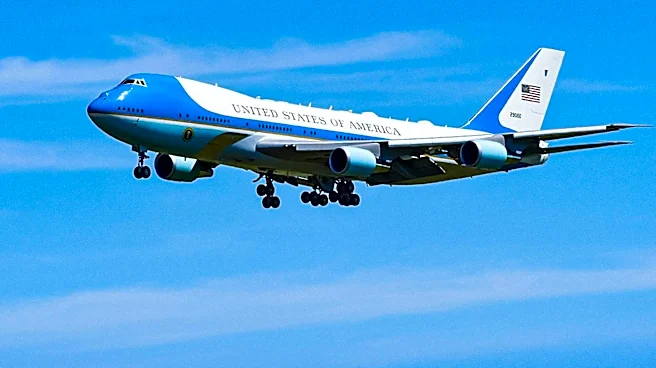
Congressman Joe Courtney (CT-02) and Congressman Adam Smith (WA-09) have introduced the Safeguarding Taxpayer Investment for Executive Airlift Act. This proposed legislation aims to prohibit the use of
congressionally authorized or appropriated Fiscal Year 2027 funding to transfer the Qatari-gifted Boeing 747, currently designated as the VC-25B Bridge Aircraft and used as Air Force One, out of the possession of the U.S. Air Force. The bill directly addresses public claims made by President Trump that this aircraft would be transferred to his presidential library. According to Rep. Courtney, the aircraft, which had approximately 1,000 flight hours upon transfer from Qatar and was described by President Trump as 'practically brand new,' has received substantial taxpayer investment for retrofitting. Both congressmen argue that the plane is the property of the U.S. Air Force and should not be treated as a private jet or a library trophy piece, citing concerns over the misuse of taxpayer dollars and the need for congressional oversight.
Why It's Important?
This legislative effort highlights significant concerns regarding the appropriate use of government assets and taxpayer funds, particularly in the context of presidential transitions and the handling of foreign gifts. The bill underscores the principle that assets acquired and maintained with public money, even if initially gifted, remain under government control and are not for personal disposition. The controversy also brings to light ethical and constitutional questions surrounding the acceptance of gifts from foreign governments by U.S. officials and the transparency of such arrangements. The substantial investment of taxpayer dollars in retrofitting the aircraft further amplifies the importance of ensuring its continued public utility rather than its conversion into a private or commemorative item. This situation could set a precedent for how future foreign gifts to U.S. presidents are managed and whether they can be claimed for personal or private institutional use after a president leaves office, impacting public trust and accountability.
What's Next?
The Safeguarding Taxpayer Investment for Executive Airlift Act will now proceed through the legislative process, requiring consideration and potential votes in Congress. The bill's future will depend on gaining sufficient support from other lawmakers, particularly within the House Seapower and Projection Forces Subcommittee, which has jurisdiction over executive airlift programs. Should the bill pass, it would legally prevent the U.S. Air Force from using FY27 funds to transfer the aircraft to President Trump's presidential library or any other private entity. Conversely, if the bill does not pass, the debate over the aircraft's ultimate disposition could continue, potentially leading to further congressional scrutiny or public discussion regarding the use of government property. The outcome will likely influence future discussions on presidential libraries and the handling of high-value government assets.
Beyond the Headlines
Beyond the immediate legislative action, this situation touches upon broader themes of executive power, government transparency, and the ethical boundaries of public service. The notion of a former president claiming a highly specialized government aircraft, especially one that has undergone significant taxpayer-funded modifications, for a private library raises questions about the distinction between public and private assets. It also highlights the potential for perceived conflicts of interest when foreign gifts are involved. The debate could prompt a re-evaluation of existing regulations or the establishment of new guidelines concerning the disposition of government property and foreign gifts, particularly those with substantial monetary and symbolic value. This incident could contribute to a larger conversation about accountability and the responsible stewardship of national resources, influencing public perception of political leaders and government institutions.